There comes a point in a war when trying to solve everything means solving nothing. Five months after the outbreak of the conflict between Iran and the United States, we have probably reached that point. Iran’s nuclear programme, US sanctions, frozen assets, ballistic missiles, security guarantees and the blockade of Iranian ports: each of these issues could require months of negotiations. Meanwhile, the Strait of Hormuz remains at the heart of a crisis whose consequences extend far beyond the conflict’s immediate protagonists.
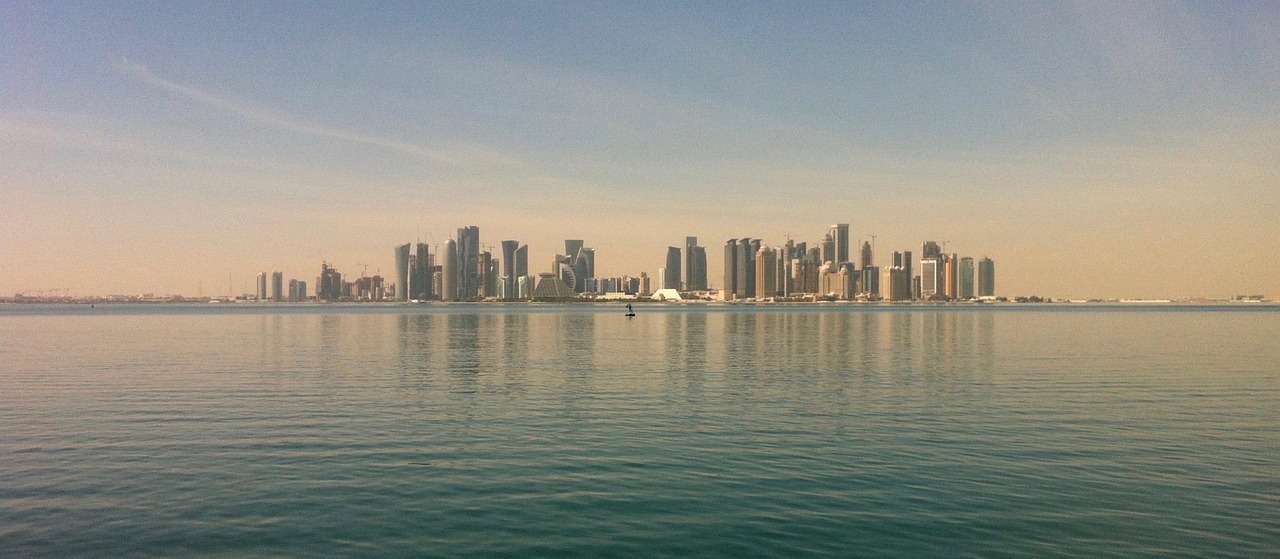
That is why the position expressed by Qatar on August 18 must be taken seriously. Doha, one of the mediators between Tehran and Washington, believes that a preliminary agreement between Oman and Iran on Hormuz could recreate the conditions necessary for dialogue to resume. The logic is pragmatic: start by solving the problem that urgently needs to be addressed before attempting to settle those on which positions remain almost irreconcilable.
Hormuz First, Because the World Cannot Wait
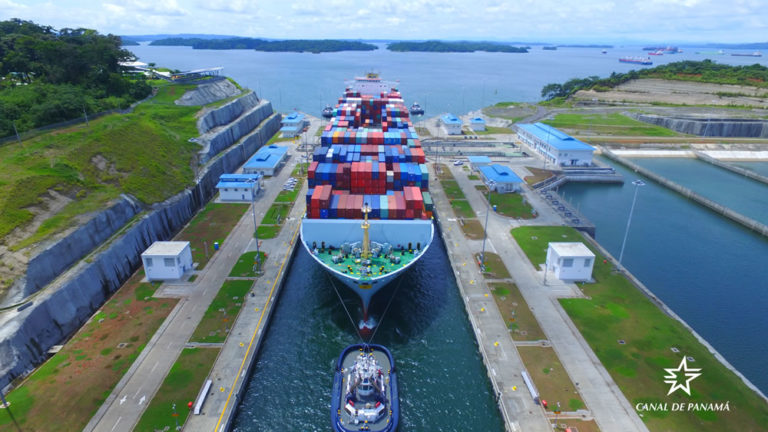
Hormuz is no longer just one issue among many: it now affects all the others. Before February 28, around one-fifth of the world’s hydrocarbons passed through this narrow waterway. Its closure, or even its continued operation under permanent threat, therefore transforms a regional conflict into a global economic problem.
The consequences extend far beyond oil and gas prices. Maritime transport, insurance costs, inflation, Asian energy supplies, Gulf economies and, indirectly, European economies are all affected. Above all, every attack on a vessel increases the risk of an incident triggering another uncontrollable escalation.
A step-by-step diplomatic approach must therefore be accepted. The Iran-Oman agreement currently under discussion will resolve neither the war nor the Iranian nuclear issue, and it certainly will not reconcile Washington and Tehran. That is not its purpose. Its immediate objective should be to establish a sufficiently robust mechanism to secure shipping, allow the Strait to reopen on a lasting basis and remove Hormuz from the battlefield.
Oman is particularly well placed to achieve this. As a state bordering the Strait, the Sultanate has a direct interest in its functioning while maintaining a diplomatic tradition that allows it to speak to both Tehran and Washington. Discussions have been under way for several weeks, and Iran says that the geographical coordinates of the proposed route have already been approved. A technical basis therefore appears to exist. It must now be transformed into a political compromise.
Qatar Understands the Need to Separate the Issues
Qatar’s intervention matters precisely because Doha is not presenting such an agreement as a comprehensive peace settlement. According to the spokesperson for Qatar’s Ministry of Foreign Affairs, it should make it possible to “return to the framework of negotiations.” That is the entire logic of the proposal.
The Americans and Iranians are currently piling up preconditions. Tehran is demanding, among other things, compliance with the commitments contained in the protocol concluded in June and the lifting of the US blockade of its ports. Washington, for its part, refuses to allow Iran to turn Hormuz into an instrument of unilateral sovereignty, particularly by imposing fees on passing vessels. Trying to resolve all these disputes simultaneously means condemning negotiations before they even begin.
Hormuz should therefore be temporarily separated from the other issues. The nuclear programme, sanctions, Iranian assets, missiles and security guarantees will obviously have to be negotiated, but at a later stage. Not because they are secondary, but because they are considerably more difficult to resolve and should not prevent the most urgent issue from being addressed.
This is the scenario I described a few days ago: the “small agreement that saves everyone.” Washington could present the securing of Hormuz as the restoration of freedom of navigation. Tehran could demonstrate that it has abandoned none of its strategic demands. Oman would consolidate its role as mediator, while Qatar would secure an initial breakthrough capable of bringing Americans and Iranians back to the negotiating table.
In a war in which neither side appears capable of imposing a decisive victory, allowing everyone to save face is not a sign of diplomatic weakness. It is often the prerequisite for ending a crisis.
Washington Must Accept Step-by-Step Negotiations
Donald Trump nevertheless continues to alternate between calls for dialogue, demands for capitulation and threats, including against Oman. Pressure can be useful in establishing a balance of power; it becomes counterproductive when it weakens the very intermediaries required to negotiate.
Washington may challenge certain provisions of a future Iran-Oman arrangement, particularly the navigation fees envisaged by Tehran, and demand precise guarantees concerning freedom of passage. But the United States has every interest in allowing a mechanism capable of securing the Strait on a lasting basis to succeed.
The alternative would be to continue indefinitely a war whose limitations are already becoming apparent. American military superiority is considerable, but it does not automatically produce a political solution. Iran, meanwhile, has no means of defeating the United States, but it retains the ability to prolong the crisis and, above all, to globalise its economic cost through its geographical position.
That is the paradox of Hormuz: a few dozen kilometres allow a weakened regional power to exert direct pressure on the global economy and, consequently, on its balance of power with Washington.
The immediate objective must therefore change. An agreement on Hormuz should not be expected to end the war; it should be expected to make negotiations to end the war possible. The sequence is relatively clear: an Iran-Oman agreement on the Strait; verifiable guarantees for security and freedom of navigation; a lasting reopening of the passage; military de-escalation; and then, under Qatari and Omani mediation, the resumption of negotiations between Washington and Tehran on the fundamental issues.
After five months of conflict, the priority is no longer to seek a grand bargain capable of resolving everything at once. It is to prevent Hormuz from continuing to hold the global economy hostage and to ensure that another military incident does not permanently close the door to diplomacy.
Qatar and Oman are therefore advocating a realistic approach: secure the Strait first, restore a minimum level of trust, and then negotiate the rest. In a conflict with no decisive victory in sight, the path out of war will probably not begin with a grand peace treaty. It may begin much more simply: with the reopening of Hormuz.