By Sébastien Boussois, editor in chief of Europolitik
Formally opened on September 8, the 81st United Nations General Assembly will reach its high point on September 22 with the General Debate of heads of state and government. It will continue until September 26, but, as expected, it is unlikely to produce any major institutional or geopolitical breakthrough.
On Tuesday, António Guterres will present the UN’s annual report before the Assembly hears speeches from the world’s leading figures. The wars in Ukraine and the Middle East, artificial intelligence, climate change and major global imbalances will dominate the discussions. For a few days, Manhattan will once again give the impression of being the political capital of the planet. But to what end?
The question may sound slightly provocative to the guardians of the post-1945 international order, but we are now firmly anchored in a 21st century that bears little resemblance to the balance of power that emerged from the Second World War. The question is therefore increasingly difficult to avoid: what purpose does the UN still serve today?
Rarely in recent decades has the world appeared so unstable and dangerous. And rarely have the major multilateral institutions created after 1945 seemed so powerless to reverse this deterioration. This is not to say that the UN has become useless. It continues to perform vital humanitarian, health, diplomatic and normative functions. Its General Assembly gives each of its 193 member states a vote and remains probably the last truly universal forum in which almost every country on the planet can still talk to one another. But talking is not governing.
A World That No Longer Exists
This is the central paradox of the United Nations. The General Assembly reflects the contemporary world reasonably well, one in which Africa, Asia, Latin America and what are somewhat imprecisely called the “Global Souths” carry growing weight. Yet its resolutions remain largely non-binding. Real power over matters of peace and security remains concentrated in the Security Council.
And the Security Council is still structured around the balance of power of 1945. The United States, China, Russia, France and the United Kingdom retain permanent seats and veto power. No African country is a permanent member. Nor are India — now the world’s most populous country — Brazil, Japan or Germany. The UN’s political architecture therefore corresponds less and less to the demographic, economic and geopolitical realities of the planet.
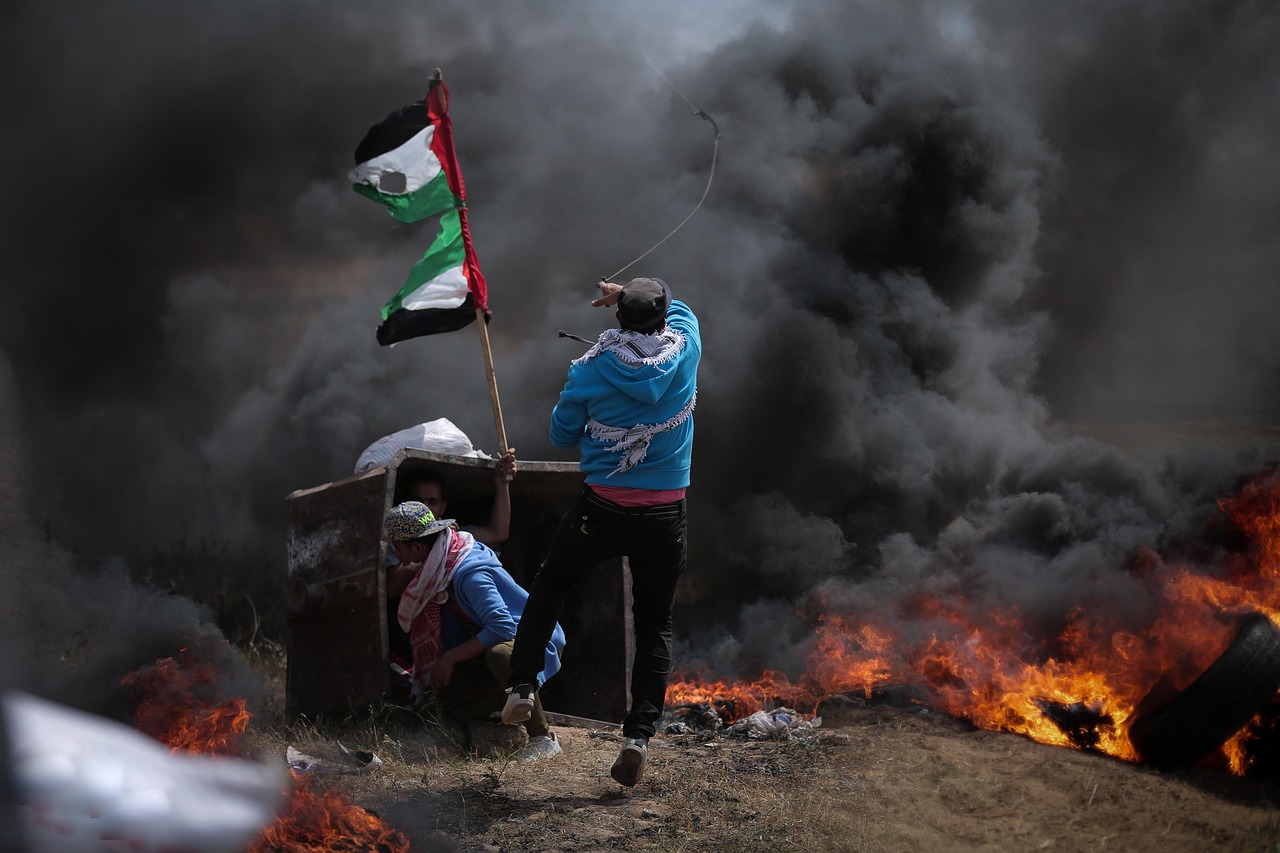
The system becomes even more problematic when the powers entrusted with safeguarding international order are themselves directly involved in the confrontations destabilising it. Russia’s veto weighs heavily on the handling of Ukraine; the United States has used its veto on the Israeli-Palestinian conflict; while Beijing protects its own strategic interests. The UN thus faces an almost insoluble contradiction: it is expected to regulate power relations while remaining dependent on the very powers that shape them.
From Multilateralism to Transactionalism
But the problem extends far beyond the United Nations. We may be witnessing the end of a historical cycle: that of the large international groupings created to organise, regulate or pacify international relations.
The European Union struggles to speak with one voice whenever national strategic interests diverge. The Arab League regularly exposes its divisions. The African Union remains constrained by the sovereignty of its member states. Even the Gulf Cooperation Council cannot erase national interests or regional rivalries. These organisations are, of course, neither identical nor interchangeable. But they all face the same difficulty: power is returning faster than institutions are able to contain it. The state has once again become the ultimate refuge for citizens around the world, rather than the large institutional structures created under international law.
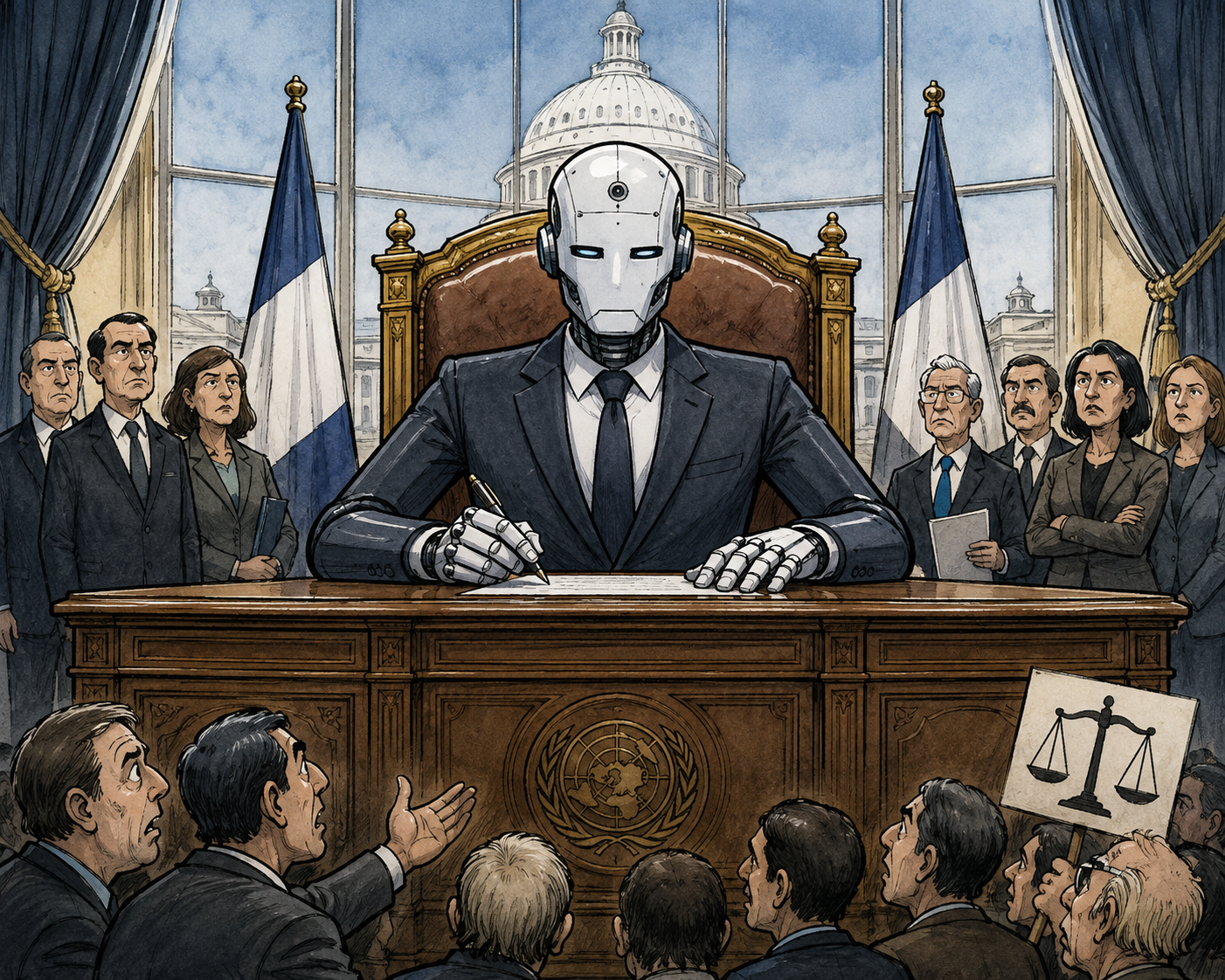
Donald Trump is perhaps the most spectacular expression of this shift today. His approach to international affairs relies far less on the patient construction of collective norms than on negotiation, power politics and transactions. Allies, adversaries, tariffs, defence and energy: everything can become the subject of direct negotiation.
The symbolism is striking. The world’s great annual celebration of multilateralism takes place in New York, at the heart of an America whose president openly favours direct relations between powers. And the most consequential events this week will probably take place less at the General Assembly podium than in the lounges, hotels and bilateral meetings surrounding it. The UN remains indispensable for bringing everyone together in the same place, but crucial decisions are increasingly being made alongside the UN rather than through the UN.
The Next Secretary-General as a Revealing Test
In 2027, the succession of António Guterres will provide another revealing illustration of this geopolitical transformation. The process of choosing his successor will once again highlight the new international balance of power and the ambitions of the world’s different regions.
The General Assembly can hear the candidates and the 193 member states can debate their proposals. But the Secretary-General is appointed by the General Assembly upon the recommendation of the Security Council. At the decisive moment, the five permanent members therefore recover their central position.
This encapsulates the paradox of the contemporary United Nations: a world of 193 states continues to operate politically within an architecture designed by the victors of 1945.
A Mirror of the World Rather Than Its Arbiter
Should the UN therefore be abolished? Certainly not. That would be to confuse the powerlessness of an institution with the uselessness of international dialogue. But we should probably stop asking the UN to deliver what it is no longer capable of producing. There must still be political agoras where the world can gather, if only once or several times a year.
The reality is clear: the UN will not govern the world, nor can it effectively constrain major powers when they believe their vital interests are at stake. It cannot prevent wars, strategic rivalries or the return of spheres of influence. Yet it remains a place where the world can observe itself, talk to itself and, sometimes, negotiate.
New York’s high-level week brings Western powers, BRICS countries, African states, Gulf monarchies and Latin American and Asian nations together in the same city. It gives smaller powers a global platform and enables mediation or meetings that might otherwise be impossible. But this no longer amounts to a government of the world.
We are entering a much harsher period in which multilateral institutions are losing ground to great powers, temporary coalitions, bilateral agreements and transactional diplomacy. It may not yet be a complete return to the law of the jungle. But it is certainly the return of a world in which power increasingly comes before rules.
Donald Trump did not create this transformation. He is accelerating it.