by Nawaf Naman
The conflict surrounding Iran and the Strait of Hormuz is no longer merely a security crisis or a regional confrontation linked to oil and maritime navigation. It has gradually evolved into a direct threat to global food security and to the strategic supply chains upon which the international economy depends. Military tensions in the Gulf have exposed the fragility of the global food system and demonstrated how heavily modern agriculture now relies on energy, fertilizers, and vulnerable maritime routes.
The Strait of Hormuz represents one of the world’s most critical geopolitical chokepoints, not only because a significant share of global oil and gas exports passes through it, but also because it serves as an essential corridor for the trade of fertilizers and chemical products vital to global agricultural production, including ammonia, urea, sulfur, and phosphates. As security risks intensify and insurance and shipping costs rise, the consequences of the crisis are rapidly being felt across global markets.
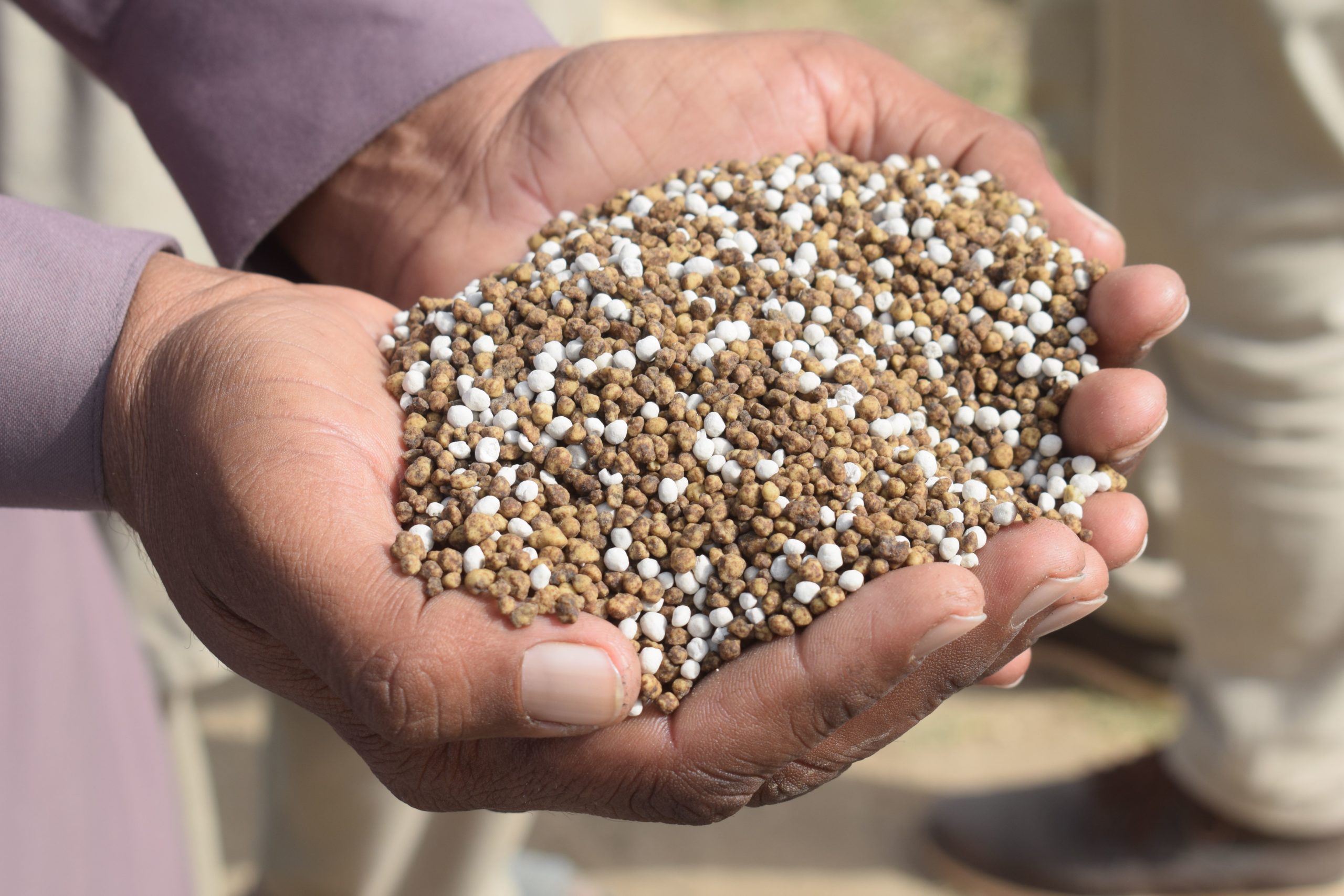
Prices for nitrogen-based fertilizers and ammonia have surged to record levels, in some cases exceeding those reached during the Russia-Ukraine war, while a substantial portion of global fertilizer trade has been disrupted. The seriousness of this development lies in the fact that these products are not simply industrial commodities; they are the backbone of modern agriculture. Their shortage or rising cost directly translates into lower agricultural output and higher food prices worldwide.
The current crisis demonstrates that the world is not merely facing disruptions in energy markets but a systemic crisis simultaneously affecting fuel, transportation, agricultural production, and food supplies. Modern agriculture depends heavily on natural gas for fertilizer manufacturing, but also on energy for irrigation, transportation, storage, refrigeration, and food processing. Consequently, any increase in energy prices quickly translates into global food inflation, particularly in developing countries.
Many farmers around the world have already begun adjusting their agricultural strategies in response to rising fertilizer costs, shifting toward crops that require fewer chemical inputs. However, this transition may ultimately reduce the production of key staple grains such as wheat and corn, potentially triggering new waves of food inflation in the years ahead.
The Most Vulnerable Regions
The consequences of the crisis are particularly severe in the Middle East and North Africa, a region already among the most vulnerable in the world in terms of food security. Most countries in the region are highly dependent on food and energy imports, while several are already suffering from armed conflicts or chronic economic crises.
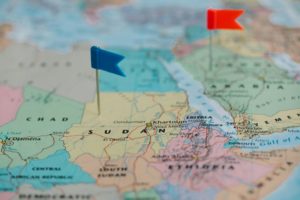
Yemen, Sudan, Syria, Lebanon, and Gaza are currently among the most exposed areas due to weak economic structures and a growing inability to secure essential supplies. In these fragile environments, food crises do not merely increase hunger and poverty; they also become drivers of political and social disintegration, fueling migration, extremism, and institutional collapse.
Countries such as Egypt, Tunisia, and Iraq are also facing mounting pressure from rising import costs and declining government capacity to subsidize basic goods and energy. Should the crisis persist, these states may experience significant economic and social turbulence, particularly as inflation accelerates and foreign currency reserves erode.
The Main Beneficiaries
Conversely, the American agricultural sector could emerge as one of the major beneficiaries of this global crisis. The United States is among the world’s leading exporters of wheat, corn, and soybeans, and any disruption in international markets generally increases demand for American exports. The availability of agricultural land, natural gas resources, and advanced infrastructure also provides the United States with a greater capacity to capitalize on rising global food and fertilizer prices.
Major American agricultural trading companies such as Cargill, Archer Daniels Midland, and Bunge are also benefiting from higher agricultural commodity prices and increased market volatility, thereby reinforcing U.S. economic influence within the global food sector.
At the same time, food products and fertilizers are increasingly becoming instruments of geopolitical influence. Major powers have realized that controlling agricultural supply chains can provide strategic leverage comparable to military or energy power. Russia has already used its grain and fertilizer exports to expand its influence in Africa, while China continues to invest heavily in agriculture and green ammonia projects to strengthen its long-term economic and political presence.
The current crisis also reveals the weakening of traditional mechanisms of regional solidarity. Gulf countries, which have long played a central role in supporting Arab economies during times of crisis, are themselves facing growing financial and security pressures resulting from military tensions and energy market volatility. This reduces their ability to cushion economic shocks as they once did.
Innovative Solutions
In the face of these challenges, traditional food aid and emergency measures are no longer sufficient. Innovative approaches are required to redefine the very concept of food security.
The first priority is to diversify supply chains and reduce dependence on vulnerable maritime routes such as the Strait of Hormuz by building strategic reserves of grains and fertilizers while expanding agricultural partnerships with different regions of the world.
Investment in green fertilizers, particularly green ammonia produced from hydrogen and renewable energy sources, is also essential in order to reduce dependence on natural gas and vulnerable shipping routes.
Smart agriculture, vertical farming, and advanced greenhouse technologies are becoming increasingly important, especially in the Middle East, where these innovations can strengthen local production despite water scarcity and challenging climatic conditions.
Reducing food waste also represents one of the fastest and most effective solutions, given that approximately one-third of all food produced globally is lost before reaching markets due to inadequate storage, transportation, and refrigeration infrastructure.
Ultimately, the Strait of Hormuz crisis confirms that food security is no longer merely a humanitarian or development issue. It has become a central component of national security and global geopolitical stability. Just as oil was at the heart of power in the twentieth century, food and agricultural supply chains may become one of the principal instruments of influence and rivalry in the decades ahead.