by Alice Jourdan
In the spring of 2026, Paris has emerged as one of Europe’s leading showcases for Asian cultural influence. Driven by highly effective cultural diplomacy and dynamic diaspora communities, countries from East and South Asia are expanding their presence in the French capital in ways that extend far beyond cultural celebrations. Increasingly, these initiatives form part of a broader strategy of political, diplomatic and cultural influence.
India Establishes a Lasting Presence
On May 31, the Jardin d’Acclimatation, operated by the LVMH Group, hosted a Holi celebration attended by India’s Ambassador to France. The event served as the stage for two important announcements: the future organization of a Diwali festival at the same venue and the official launch of the Swami Vivekananda Cultural Center (SVCC), a new Indian cultural institution operating under the Indian Council for Cultural Relations (ICCR), which falls under India’s Ministry of External Affairs. The message was unmistakable: New Delhi intends to establish a long-term cultural footprint in Paris.
China: Diaspora Networks and Academic Diplomacy
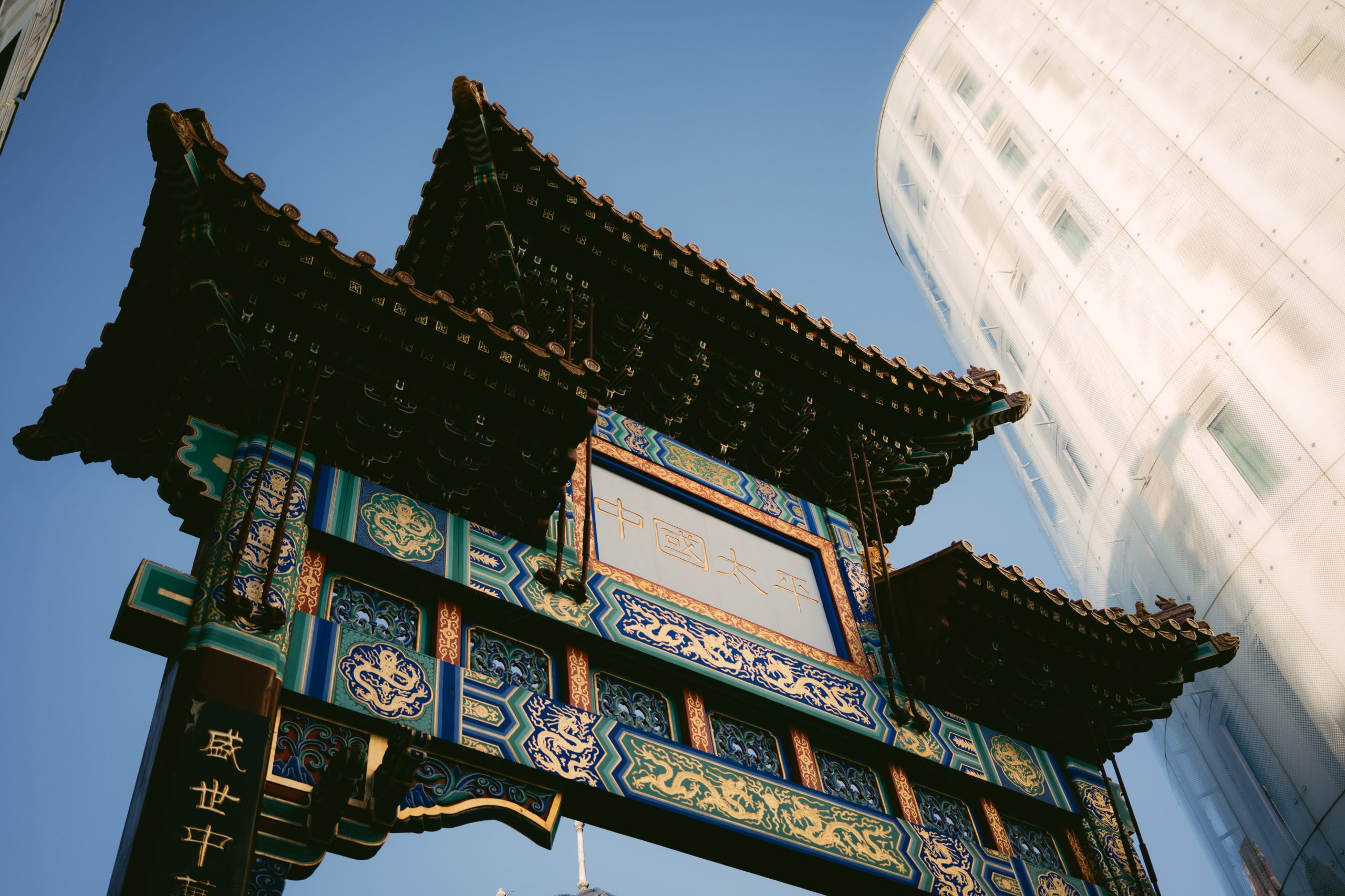
China’s strategy relies on two complementary pillars. On one hand, its diaspora and numerous community organizations actively shape Parisian cultural life through Lunar New Year celebrations in the 13th arrondissement, calligraphy workshops and the growing promotion of Hanfu, traditional Chinese clothing. On the other, Beijing is pursuing an ambitious form of academic diplomacy.
This was illustrated on June 6 by the Chinese Universities Fair hosted at INALCO (France’s National Institute for Oriental Languages and Civilizations), where several leading universities—including the prestigious Tsinghua University, attended by Chinese President Xi Jinping—promoted their academic programs to prospective international students. Meanwhile, the Chinese Cultural Center in Paris continues expanding its Mandarin language programs, turning language education into an effective instrument of long-term cultural engagement.
Paris’ 13th Arrondissement: The Capital of Asian Visibility
This growing influence finds its strongest territorial expression in Paris’ 13th arrondissement, which has become a genuine cultural destination. Alongside the well-established Chinese community, other Asian diasporas continue to expand their visibility. The Vietnamese community, for example, will organize its traditional street parade on June 27, further reinforcing the district’s multicultural identity. Social media has amplified this phenomenon, transforming these neighborhoods into highly visible showcases of Asian soft power.
Cultural Centers as Instruments of Influence
The political dimension of soft power becomes even more apparent through the activities of national cultural centers.
The Korean Cultural Center has been particularly active this year as France and South Korea celebrate the 140th anniversary of their diplomatic relations. This milestone has been accompanied by major political events, including President Emmanuel Macron’s visit to Seoul in April and South Korean President Lee Jae-myung’s participation in the G7 Summit in Évian in June.
The Japanese Cultural Center also attracted considerable public attention at the end of 2025 with a major exhibition dedicated to Isao Takahata, co-founder of Studio Ghibli. Combining artistic excellence with broad public appeal, the exhibition perfectly illustrated Japan’s ability to project influence through culture.
The phenomenon extends well beyond East Asia. In today’s increasingly unstable geopolitical environment, cultural centers have become essential spaces for dialogue and mutual understanding. The Pouya Cultural Center, dedicated to Persian culture, offers concerts, conferences and workshops despite the highly sensitive political context surrounding Iran. Even the Breton Mission in Paris, devoted to promoting Brittany’s regional identity, reminds us that soft power is not the exclusive privilege of major powers. Any cultural identity can seek to project influence, preserve its heritage and strengthen its international visibility through culture.
Taken together, these institutions form a discreet yet highly structured ecosystem of influence across Paris, where language, culture, education and diplomacy converge to advance very real strategic interests. In the twenty-first century, culture is no longer simply a matter of heritage—it has become a central instrument of international power.