This morning, a new Israeli strike targeted Iran, several months after the war that pitted Tel Aviv against Tehran with Washington’s backing. As nuclear negotiations between the Iranian regime and the United States were stalling, Israel forced the issue in a sequence where each operation appears to bring the Middle East closer to a point of no return. We are at a strategic crossroads, facing an Iran under siege, challenged both externally and internally. That is the key difference compared to last June’s confrontation, when Israelis and Americans struck Tehran hard. The situation is dire—not only for Iran, but for the entire regional balance. Opposing each other are actors who do not speak the same language, do not pursue the same objectives, and are not willing to accept the same costs.
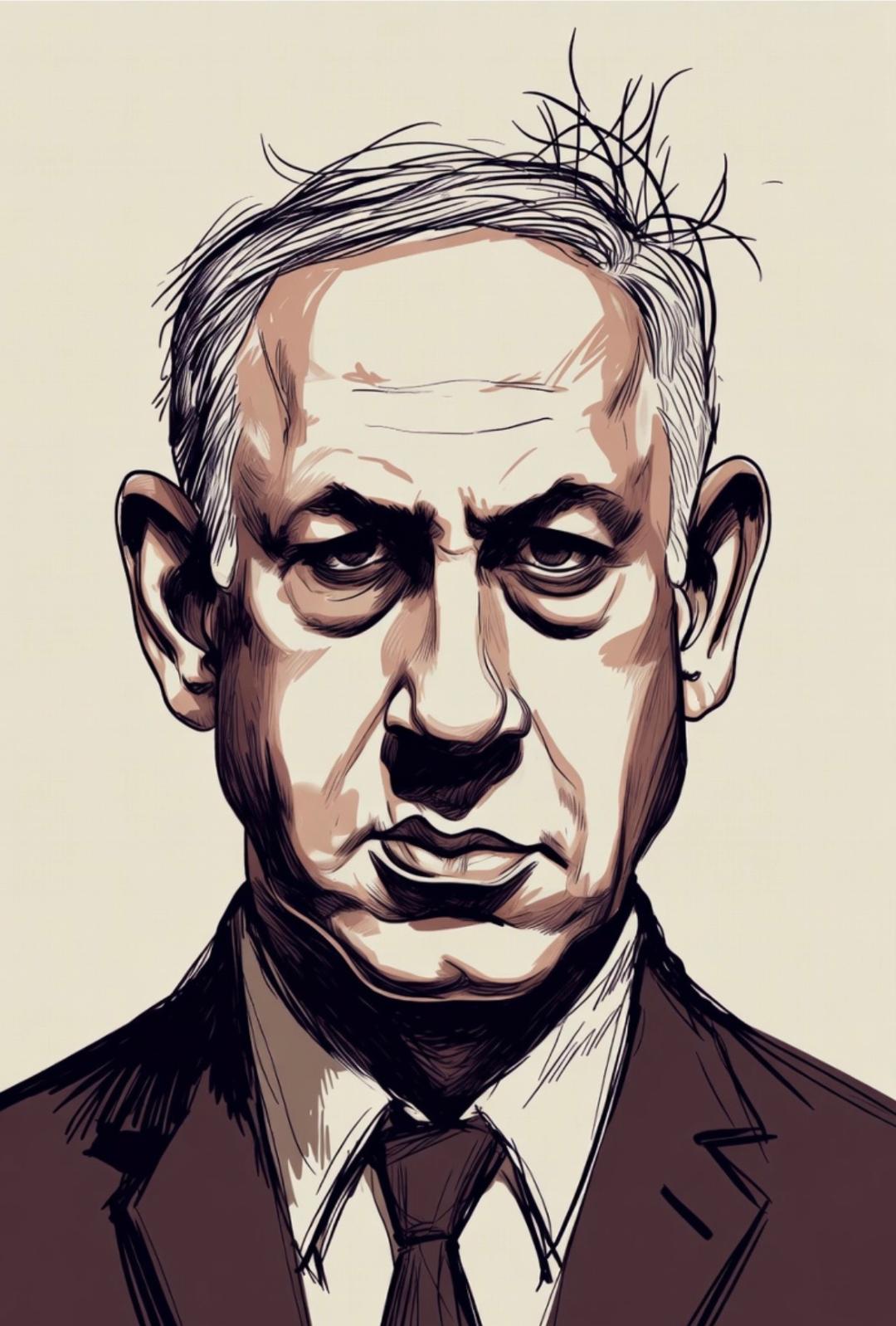
Since at least 2012, Benjamin Netanyahu has been driven by a constant obsession: preventing Iran from reaching nuclear threshold capability, even if that means provoking direct confrontation. For Israel, this regime represents an existential threat. Under Barack Obama’s presidency, Netanyahu repeatedly pushed Washington to strike Iranian facilities. The Americans resisted. The 2015 agreement was viewed in Tel Aviv as an unacceptable concession. Trump hastened to tear it up upon entering the White House. For Israel, the issue is not merely technical or nuclear—it is ontological. It no longer wants this regime, much like a large portion of Iranians who have been protesting since December and confronting the authorities in the streets. The very existence of a regime that openly calls for the destruction of the Jewish state is deemed intolerable. Trump’s return to negotiations triggered near panic in Israel, which chose to take the first step—both to demonstrate determination and to test Tehran’s capacity for retaliation. The United States, having deployed a historic military buildup near Iran’s borders in the belief that the regime would capitulate, had little choice but to follow its longstanding ally.
Israel’s Obsession: Strike to Overthrow
For Netanyahu, the Iranian question goes beyond classical deterrence. It is about regime change. For over a decade, Israeli strategy has combined targeted strikes, sabotage, assassinations of scientists, cyberattacks, and diplomatic pressure. The implicit objective is clear: weaken the regime to the point of collapse. Israel believes time works against it. Every Iranian technological advance, every additional enrichment milestone, narrows Israel’s strategic margin. Israeli doctrine is based on preventive action. Waiting would mean accepting the irreversible.
Within this logic, certain Israeli circles no longer hide their support for Iranian opposition figures, including the son of the former Shah, Reza Pahlavi, as a potential transitional figure—even though he does not represent the full spectrum of opposition movements and has lived in the United States for decades, which makes him “suspect” in the eyes of some. The gamble is risky: triggering an internal implosion to bring down the clerical regime. Yet recent history reminds us that attempts at regime change, whether in Iraq or elsewhere, often produce outcomes opposite to those intended.
Trump: Maximum Pressure, Maximum Caution
Donald Trump’s arrival gave the impression of full alignment with Israeli positions. Withdrawal from the nuclear deal, crushing sanctions, diplomatic isolation of Tehran—the policy of maximum pressure placed the Iranian economy under severe strain.
Yet behind the rhetoric lies another reality. Trump does not want a prolonged war. His electorate does not want one. A large-scale military intervention in the Middle East would be politically explosive ahead of decisive electoral deadlines. The recent reopening of diplomatic space around the nuclear issue was surprising, particularly given Israel’s continued fixation on outright regime overthrow. The violent protests that have shaken Iran since December may have created the illusion of a collapsing regime. But the repression has been brutal, methodical, effective. The Iranian leadership has shown it will not retreat. Betting on rapid internal collapse reflects more wishful thinking than cold analysis. The repeated failures of regime change policies in the Middle East should counsel caution. Overthrowing is one thing. Stabilizing is another.
This Morning’s Strikes: Strategic Test or Uncontrolled Spiral?
This morning’s Israeli strike marks a new threshold. It raises a simple and troubling question: how far can escalation go without triggering regional war? Can one simply remove the head of the regime—eliminating Ali Khamenei and key Revolutionary Guard leaders—without risking blowback against the Iranian population? And would it even work? Israel is preparing for direct or indirect retaliation through Tehran’s regional networks, though significantly weakened. Iran, meanwhile, is in a singular position. Politically, the clerical regime has little left to lose. Economically cornered and socially contested, it may be tempted by nationalist escalation. External confrontation can rally public opinion around power.
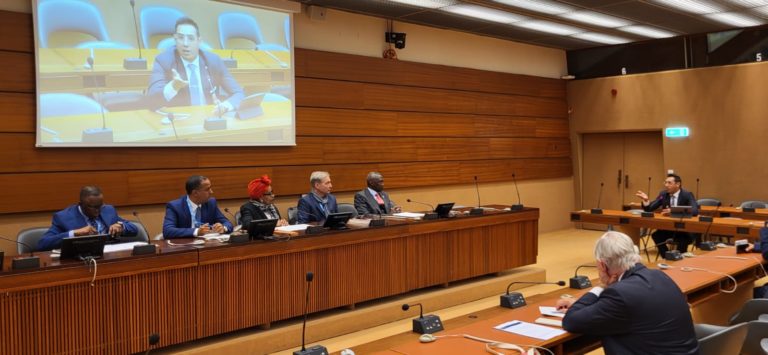
What stands out is the degree of American involvement. The United States has always stood behind Israel. This morning’s operation could not have occurred without close coordination. Is this a calibrated signal meant to test Tehran’s real retaliatory capacity? A controlled escalation? Or the beginning of a dynamic that will escape its architects? This very morning, Trump announced engagement in a massive war, even though only days earlier he had expressed hope of reaching an agreement following mediation efforts in Geneva.
At this stage, no one knows where this is heading. But the consequences could be severe. For Israel, exposed to large-scale retaliation. For Iran, whose population would pay the price of intensified radicalization. For the entire region, already fragmented by multiple conflicts. We are at a crossroads. On one side lies the logic of existential confrontation. On the other, cautious management of an adversary one seeks to contain without igniting a wider blaze. That was Trump’s hope—but how do you negotiate with an adversary whose end you seek?
Perhaps that is the tragedy. Israel speaks in terms of survival and overthrow. Washington speaks in terms of balance of power and political cost. Tehran speaks in terms of honor, resistance, and strategic martyrdom. Three different languages. Three rationalities that do not intersect. And in this space of strategic misunderstanding, history shows that crises are not always resolved by calculation. Sometimes they tip by accident. The Middle East has seen it before.