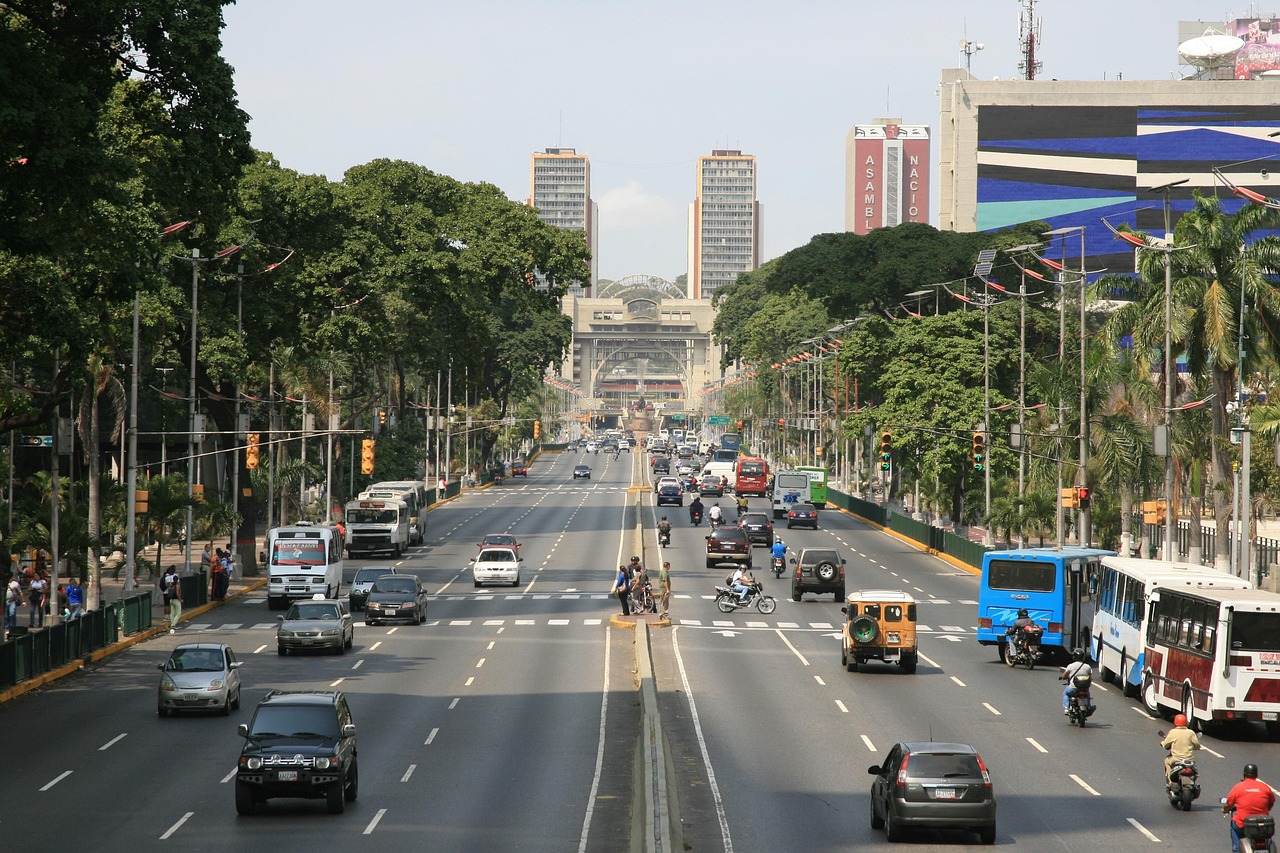
As the Venezuelan crisis reaches an unprecedented peak at the start of 2026—with the abduction of Nicolás Maduro by the United States and the establishment of an interim government—a series of crucial diplomatic questions already arise: how can a smooth transition be ensured? What form of governance should be put in place to avoid chaos? How can external influence be reconciled with the country’s internal reconstruction? And who can open channels of dialogue in a dossier marked by intense power rivalries and deep political trauma since the advent of the Bolivarian dictatorship? In this context, and somewhat unexpectedly, Qatar is positioning itself as a discreet yet potentially central mediator—naturally with Washington’s approval.
Qatar on the Venezuelan diplomatic front
For several months, Doha has multiplied statements expressing deep concern over the escalation of the crisis in Venezuela, calling for restraint and a peaceful settlement of disputes. Qatar’s Ministry of Foreign Affairs has repeatedly reaffirmed its commitment to the United Nations Charter and the peaceful resolution of conflicts, while declaring its readiness to contribute to any international initiative aimed at an immediate peaceful solution—particularly by keeping communication channels open with all parties involved. This posture is consistent with the role Qatar had already sought to play prior to Maduro’s abduction. In 2025, as tensions mounted between Washington and Caracas, Doha quickly offered itself as a mediator between the United States and the Venezuelan government, alongside Panama, highlighting the possibility of a Qatari role in facilitating a U.S. military disengagement or reducing the risks of escalation. Qatar had also been working behind the scenes since 2023—most notably during the Barbados Agreement, which eased certain tensions between Caracas and Washington—and has built a reputation as a reliable diplomatic bridge with both camps.
A tradition of global mediation
This involvement in Venezuela is no coincidence. Over recent decades, Qatar has cultivated a distinctive tradition as an international mediator. The Gulf state has played a key role in complex negotiations—between the United States and the Taliban to end the war in Afghanistan, among various actors in the Israeli-Palestinian crisis in Gaza, and within the framework of the Trump peace plan involving armed and state actors in the Democratic Republic of the Congo. This diplomatic strategy is not merely a soft-power exercise by a petro-monarchy; it reflects a long-standing foreign policy choice: to be a geopolitical actor that can be relied upon and capable of bringing together seemingly irreconcilable parties, even when mediation involves controversial actors—often described as “unpalatable.” Doha has thus hosted political liaison offices for Hamas or the Taliban, often at the request of international partners—particularly the United States—precisely because it could offer a platform for dialogue where no one else could. The Venezuelan case fits squarely within this logic. It is not a passing interest in a Latin American crisis, but a desire to consolidate a global diplomatic role in regions where traditional mediation frameworks—the UN, the European Union, regional organizations—are struggling or marginalized.
Qatar, Trump and mediation: a strategic partnership… with limits
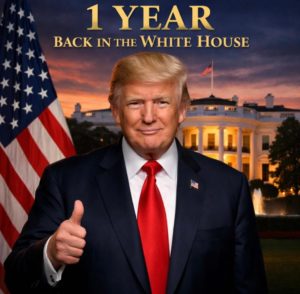
The Venezuelan context is deeply shaped by U.S. policy under Donald Trump. Since his return to the White House, the U.S. administration has hardened its stance toward Caracas, justifying its intervention by the fight against drug trafficking as well as by a desire to reshape the regional balance. This strategy has led to a breakdown of traditional channels of dialogue, opening space for credible intermediaries such as Qatar. Doha now appears as an acceptable interlocutor both for Washington and for certain moderate components of the Chavista camp. Discreet discussions are said to have taken place on Qatari soil between U.S. and Venezuelan representatives around scenarios for a political transition aimed at avoiding a brutal collapse of the Venezuelan state. The idea of a “Madurismo without Maduro,” allowing minimal institutional continuity while opening a new political phase, has reportedly been raised.
This potential mediation is part of a broader articulation between Doha and Washington. For several years, Qatar has served as an indirect channel on sensitive files where the United States prefers to avoid direct diplomatic exposure. This strengthens the strategic relationship between the two countries while offering Washington valuable political flexibility. But the position is fragile, and Doha remains traumatized by Israeli strikes on its territory last September that Washington did not prevent. If Qatar is perceived as too closely aligned with U.S. interests, it risks losing credibility with Venezuelan actors and their international backers. Conversely, a stance overly favorable to Caracas could lead to its marginalization by Washington. Qatari mediation will therefore rest on a delicate and highly fragile balance. In this emerging world—marked by the return of power politics—the most effective mediators are no longer universal institutions, but states capable of speaking to everyone, including within the gray zones of contemporary geopolitics.