The Africa Cup of Nations (AFCON), which is now drawing to a close and was hosted this year by Morocco, represents a historic milestone for the country that goes far beyond a simple sporting event. AFCON 2025 was a major political, strategic, and symbolic moment for the Kingdom and for King Mohammed VI. Through its scale, popular success, and high-quality organization, it served as a true showcase of contemporary Morocco: a country investing in infrastructure, in its international image, and in its ability to welcome the world, while already looking ahead to 2030, when it will co-host the FIFA World Cup with Spain and Portugal. It was not only a celebration of football, but also, in many ways, a celebration of the King himself.
Far from being a merely festive interlude, this tournament represents the culmination of a long-term policy pursued by the Moroccan monarchy for more than two decades: a strategy built on major development projects, economic modernization, internal stabilization through growth, and an openly asserted international presence. Sport is not treated as a secondary form of entertainment, but as a structural instrument of development, national cohesion, and soft power, on par with traditional diplomacy or investment-driven attractiveness.
Throughout this month of football, the enthusiasm of supporters and the success of the matches never waned. The images that will remain in the memories of fans around the world testify to the unifying power of the AFCON, not only for Morocco but for the African continent as a whole, a continent of opportunity to which Morocco has deliberately reconnected over the past decades.
Ahead of the 2030 World Cup, the tournament was a real stress test for the Kingdom. In the end, it proved to be an overwhelming success, popular, organizational, diplomatic, and media-related. Stadiums were full, infrastructure performed smoothly, and delegations were welcomed under excellent conditions. International media coverage has been overwhelmingly positive.
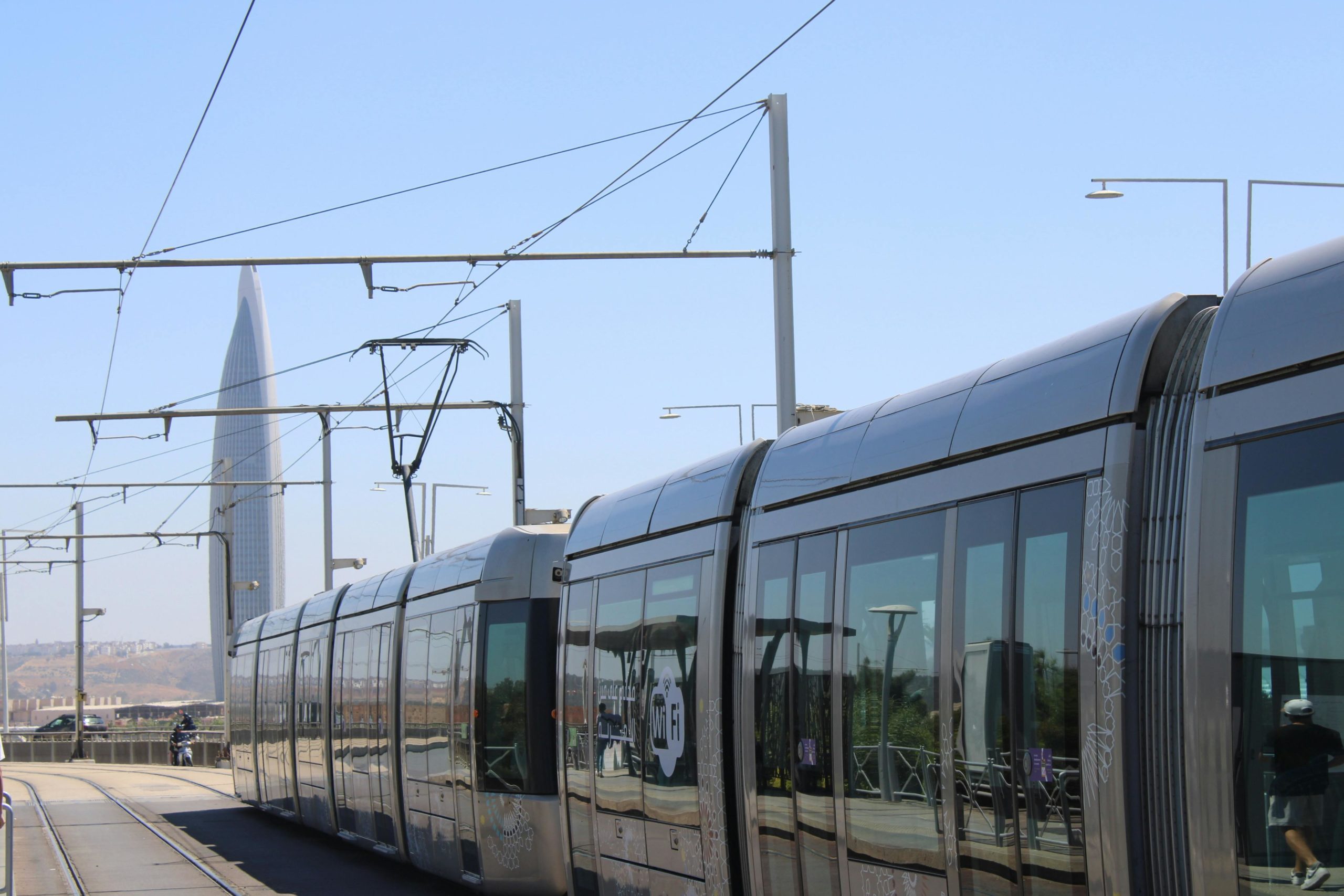
This success is no accident. It is the result of sustained investment in transportation infrastructure such as high-speed rail, airports, and highways, as well as in hospitality, urban renewal, security, event governance, and the training of administrative elites. Morocco is now reaping what it has methodically sown since the early 2000s. AFCON gives concrete form to a coherent state strategy: a centralized yet strategic state capable of combining modernization, stability, and openness.
On a continent where hosting events of this scale often poses major logistical and political challenges, Morocco stands out as a credible exception and a regional anchor of trust. In this sense, AFCON is far more than a tournament. It is a full-scale rehearsal, successfully completed, for the 2030 World Cup. It reassures sporting authorities, European partners, sponsors, investors, and public opinion alike. It validates Morocco’s candidacy not through promises, but through tangible results.
This form of sports diplomacy is part of a broader vision championed by Mohammed VI: that of a Morocco positioned as a bridge between Africa, Europe, and the Arab world, capable of speaking multiple languages, economic, cultural, political, and now sporting, to consolidate its place in a fragmented world. In an unstable international environment marked by conflict, retrenchment, and mistrust, the Kingdom projects an image of continuity, predictability, and competence. In Rabat, football is therefore not just a game. It has become a tool of public policy, a vehicle for national cohesion, and a lever of international influence. This is the true power of sports diplomacy.