For exactly one month now, the Gulf monarchies have been living under a level of strategic tension rarely seen since the major regional crises of the second half of the 20th century. The Israeli strike against Qatar last September had already sent shockwaves through the petro-monarchies, which were beginning to realize that the American security umbrella might not be eternal. Faced with American and Israeli bombardments, Iran’s targeted and repeated retaliatory strikes have further eroded the confidence of several of Washington’s strategic partners in the region. Military bases, energy infrastructure, logistical hubs, everything symbolizing alignment with the Western security architecture has become a prime target for Tehran.
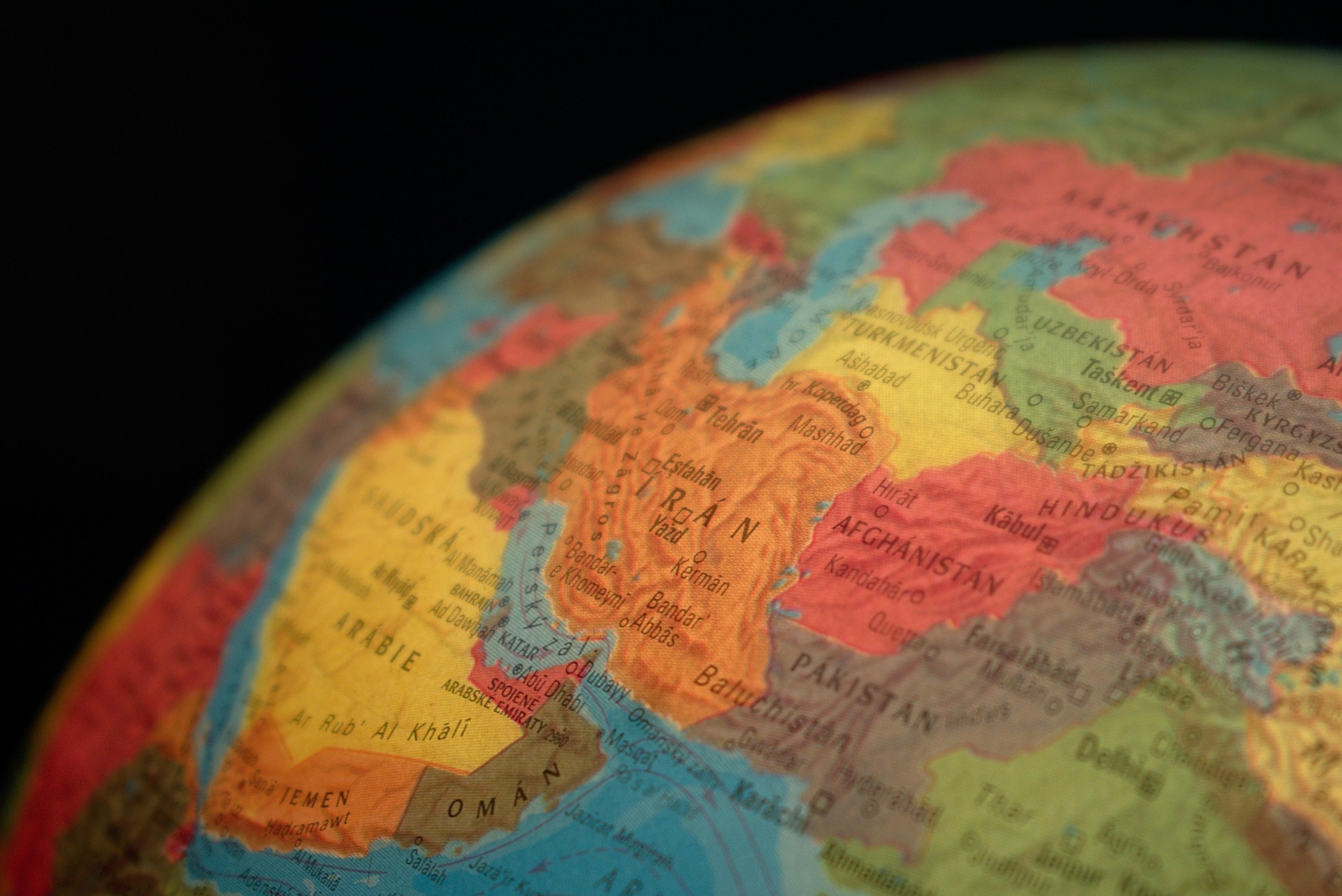
Iran has not struck randomly. It has targeted states for what they represent. The United Arab Emirates, for their strategic rapprochement with Israel since the Abraham Accords. Saudi Arabia, for its pivotal role in the global energy system and its security alignment with Washington. Qatar, finally, for hosting the Al Udeid Air Base, the nerve center of U.S. operations in the region. Yet behind this apparent dispersion of strikes lies a coherent strategy.
Striking broadly to pressure Gulf monarchies into influencing the United States
Many believed that Iran’s strategy was based on a risky gamble: expanding the theater of confrontation to force Gulf monarchies out of their balancing posture. By striking multiple states simultaneously, Tehran aimed to pressure both the United States and Israel into halting the war. But how could Gulf monarchies, which have always maintained pragmatic relations with all their neighbors, especially when they were 100 to 150 times smaller, like the UAE or Qatar, suddenly turn against a power as significant as Iran?
So far, there has been no escalation spiral, fortunately. Despite being targeted, Gulf monarchies have shown remarkable restraint. No direct military escalation, no large-scale retaliation. This posture has surprised many, and at times been criticized, but it reflects a clear-eyed reading of the balance of power. These states understand that entering an open conflict would immediately expose them to far more devastating strikes, particularly against their vital energy infrastructure. They also know that their internal stability depends precisely on avoiding such a scenario. In other words, they refuse to fall into Iran’s trap.
The Qatari case: strategic calm and mutual preservation logic
Amid this chaotic period, Qatar has experienced a phase of relative calm over the past week, although it was struck again 24 hours ago in response to Israeli and American attacks targeting Iranian museums and historical sites. While other monarchies remain under pressure, Doha continues to play a moderating role. This is no coincidence. It is a strategic choice, on both sides.
Qatar and Iran share the world’s largest gas field, known as North Field on the Qatari side and South Pars on the Iranian side. This structural interdependence imposes a degree of rationality that even intense conflict cannot entirely erase. Prolonged strikes, direct escalation, long-term destabilization—none of these serve the interests of either country.
Tehran is not acting irrationally; it is preserving a channel. Not out of weakness, but calculation. Keeping Doha at a distance from direct confrontation means preserving a diplomatic exit. It maintains an actor capable of speaking to all sides, including Washington. Qatar, true to its tradition, is already positioning itself as a potential mediator. In a region as volatile as this, it remains one of the few actors able to engage simultaneously with the United States, certain non-state actors, and Iran. This capacity is now becoming a major strategic asset.
Toward a regional shift: Gulf pressure and the return of mediation
The phase now opening could mark a historic turning point in the regional balance of power. There is growing talk of a gradual U.S. disengagement from the most intense phase of the bombardments, combined with a more indirect and calibrated regional involvement.
Two radically different paths are emerging. On one side, Saudi Arabia and the United Arab Emirates have hinted that their restraint is not infinite, and that they could choose to enter the conflict more directly, in various forms, to compensate for a likely U.S. withdrawal and the limits of a war that Donald Trump cannot sustain indefinitely without political cost, especially with midterm elections approaching in November. The American president had promised his MAGA electorate an end to endless wars.
On the other side lies the option of mediation. Indirect talks, reportedly facilitated through Pakistani channels, could open a fragile diplomatic sequence. And this is where the roles of Qatar and Oman once again become decisive.
Oman, historically discreet but effective, has often acted as a facilitator during the most sensitive moments between Tehran and Washington. Qatar, for its part, could ensure a form of diplomatic “after-sales service”: maintaining communication channels, securing commitments, and guiding discussions toward a ceasefire. These two states could ultimately reap the main strategic benefits of a de-escalation they have consistently advocated.
At its core, this crisis reveals a profound transformation of the Gulf. Long perceived as merely a theater of indirect confrontation, it is now becoming a space of strategic arbitration. Between war and mediation, alignment and autonomy, Gulf monarchies are navigating a narrow ridge. And in this uncertain terrain, those who manage to avoid war while organizing peace may ultimately emerge stronger.
As recently stated by Majed Al Ansari, spokesperson for Qatar’s Ministry of Foreign Affairs: “Iran has been here for hundreds of years. No one is going anywhere. Total destruction is not even an option. We will continue to live side by side. We will always be neighbors and will find ways to coexist.”