For once, Donald Trump praised his own diplomatic action in his most recent State of the Union address, highlighting his role in helping resolve several conflicts around the world since his return to the White House in January 2025. The recent diplomatic sequence between Kinshasa and Kigali, among other partially resolved crises, may have created the illusion of appeasement. Under Donald Trump’s impetus, and thanks to active mediation by Qatar, an agreement was presented in December 2025 as a step toward de-escalation between the Democratic Republic of the Congo and Rwanda. Yet behind the display of political resolution, resentment remains deep, fault lines persist, and violations of the commitments undertaken continue to fuel profound bitterness in Kinshasa. The proclaimed peace has not erased the reality on the ground, nor the unresolved responsibilities.
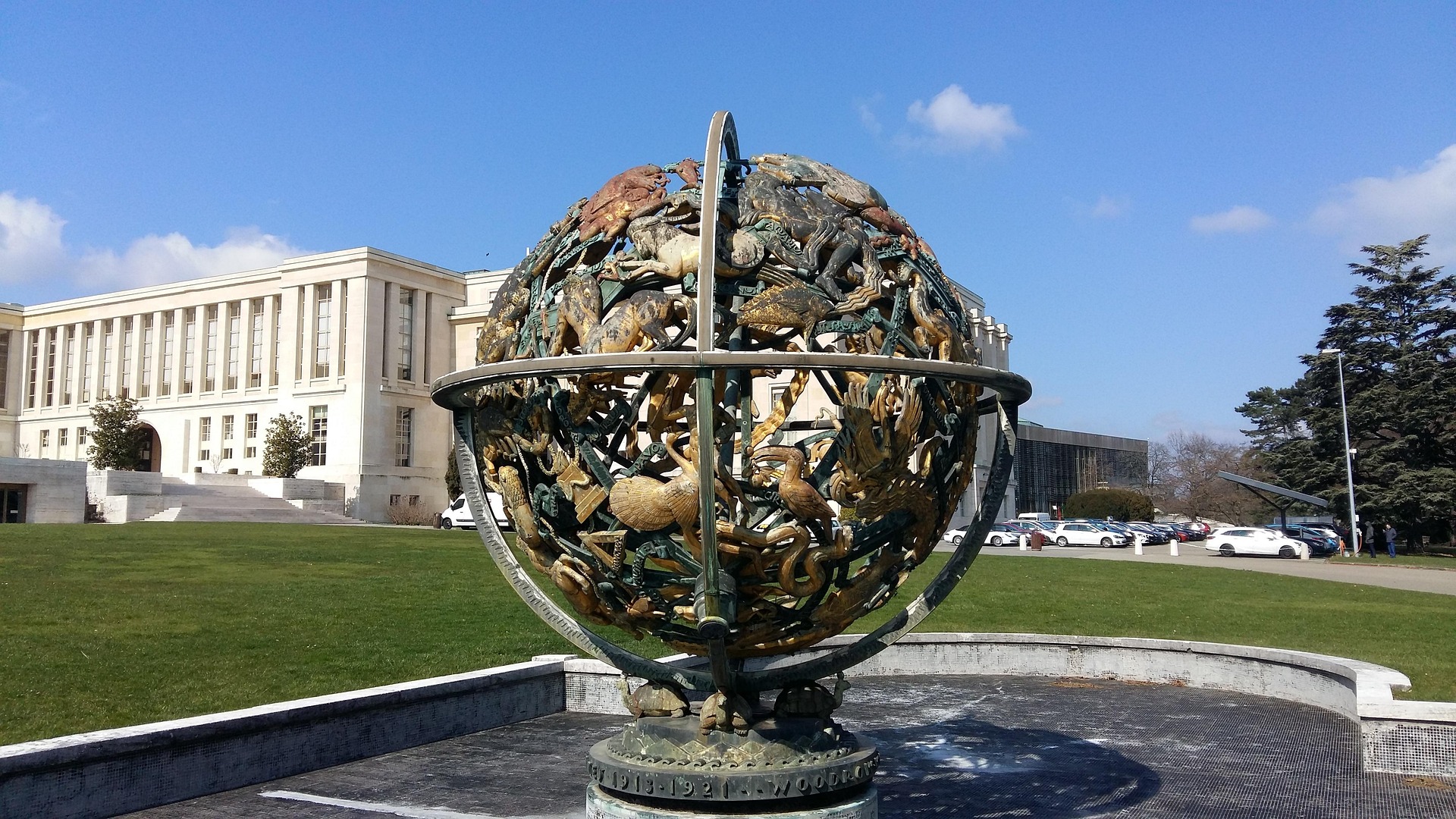
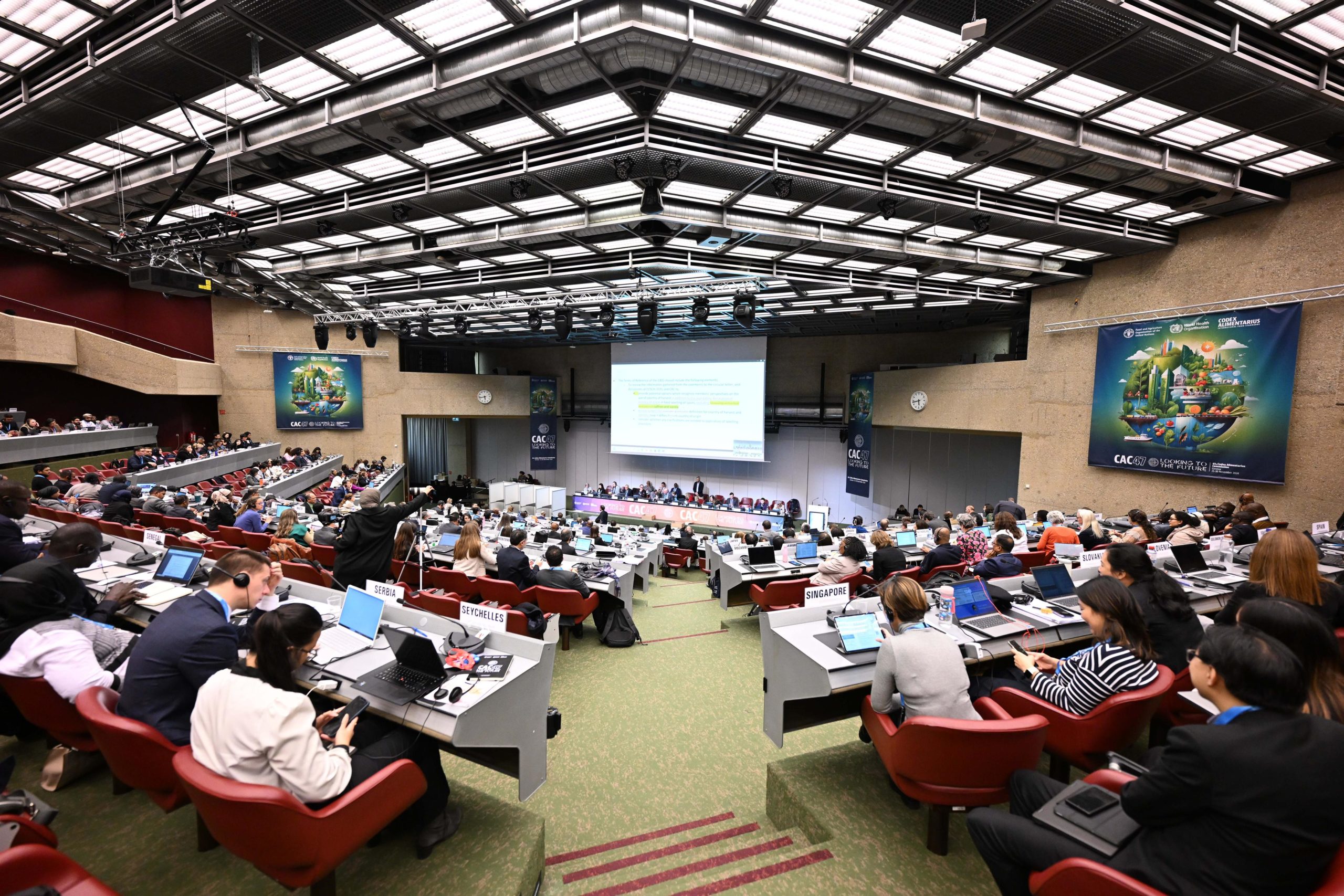
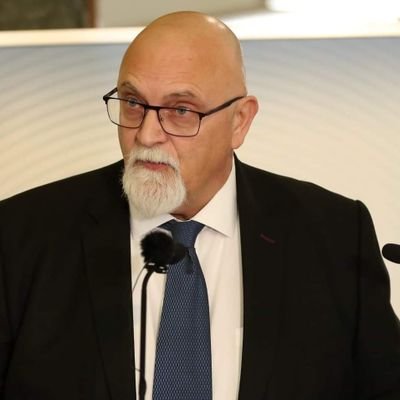
It is against this backdrop of unfinished normalization that the DRC spoke out in Geneva, before the United Nations Human Rights Council. In doing so, it crossed a political threshold. For the first time in a long while, Kinshasa did not come to seek abstract compassion or pile up humanitarian appeals. It came to accuse, backed by figures, and to assume a discourse of accountability. The statement delivered by the Congolese Minister of Human Rights, Samuel Mbemba Kabuya, breaks with a long tradition of cautious language and discreet denunciations. What is at stake is no longer an unfortunate crisis, but a structured system of violence, looting and command.
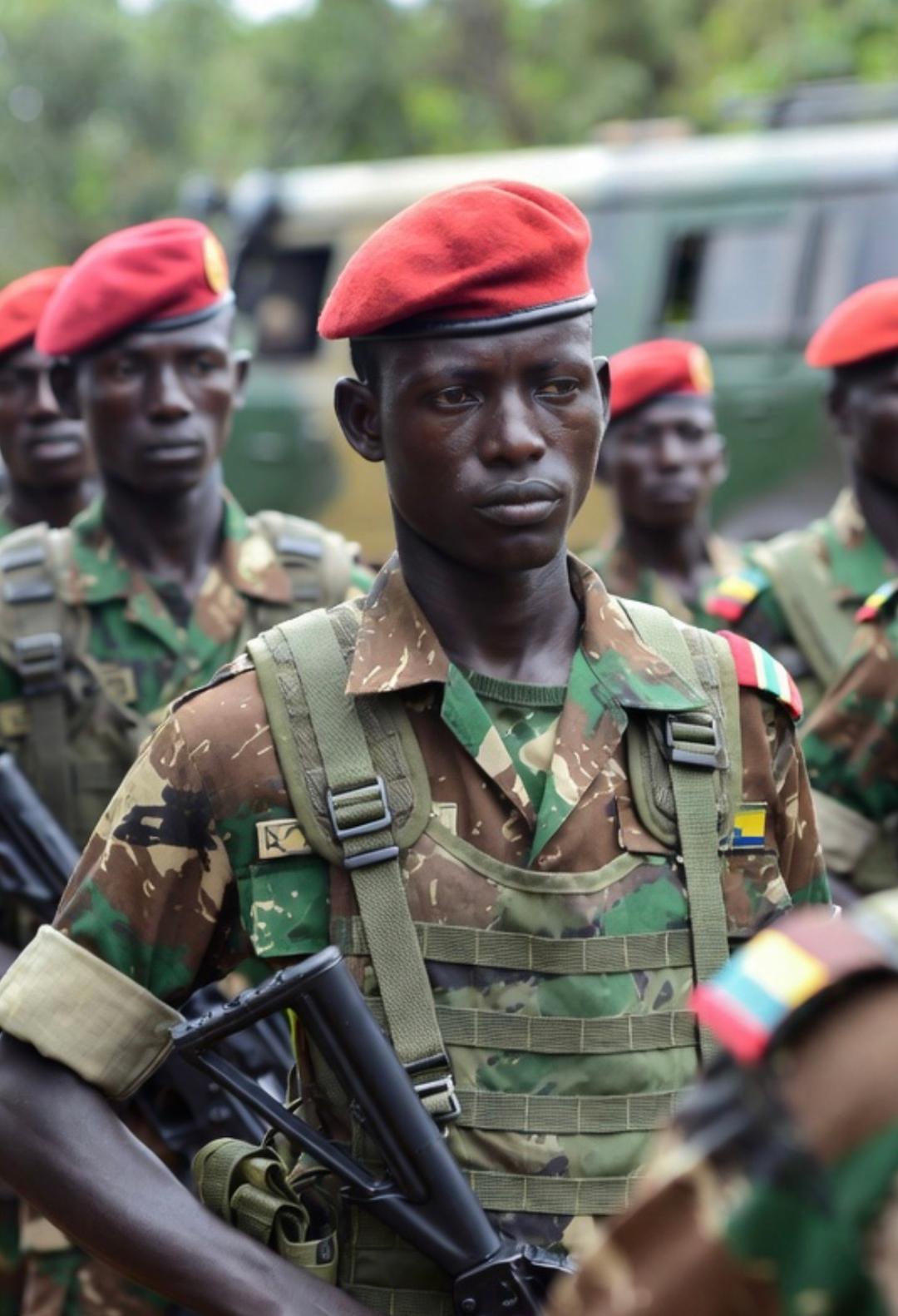
The report presented covers a single year. Twelve months of Rwandan occupation of Goma, Bukavu and their surrounding areas. The figures are unequivocal: more than 17,000 violations of the right to life and physical integrity, one woman raped every four minutes, nearly seven million forcibly displaced people. These data, drawn from consolidated UN and NGO reports, are neither emotional nor exaggerated. They reflect a documented and well-known reality, long neutralized by diplomatic caution.
By laying out these figures in Geneva, the DRC stopped asking the world to understand its suffering and instead demanded recognition of a political reality. The conflict in the eastern part of the country is neither a mere by-product of regional instability nor an African fatality. It is rooted in a long-standing logic that extends far beyond Congolese territory.
Minerals, Violence and Responsibility: The Time for Sanctions
At the heart of the Congolese accusation lies a clear message. The mass violence committed in eastern DRC is not collateral damage; it is the very engine of the conflict. For years, the exploitation of strategic minerals in North Kivu and South Kivu has structured the war, financed armed groups and fueled considerable economic interests. The example of the Rubaya mines, cited in Geneva, illustrates this mechanism: forced labor, daily production under armed coercion, and massive rents feeding an economy of predation.
This is no secret. These minerals do not vanish into obscure circuits without outlets; they clearly supply global value chains, strategic industries and markets on which major powers nonetheless claim to impose ethical standards. By drawing this link so directly, Kinshasa has confronted the international community with its own contradictions.
The designation of political responsibility is, of course, the most sensitive point. By asserting that the Rwandan president is the hierarchical superior of the forces involved in the conflict, including their auxiliaries, the DRC has shifted the debate from the humanitarian sphere to that of state responsibility. This shift explains the discomfort of certain diplomatic capitals, long accustomed to invoking regional complexity in order to avoid any binding decisions against one side or the other.
International silence has been explicitly denounced by the Congolese authorities. Not as a lack of words, but as a strategic posture. The Congolese demand now appears explicit: targeted political and economic sanctions against those responsible in Rwanda. In Geneva, the message was clear. The time for observations is over. The international community now faces a political choice that must be made swiftly if the peace agreement is to last and a return to armed conflict is to be avoided.