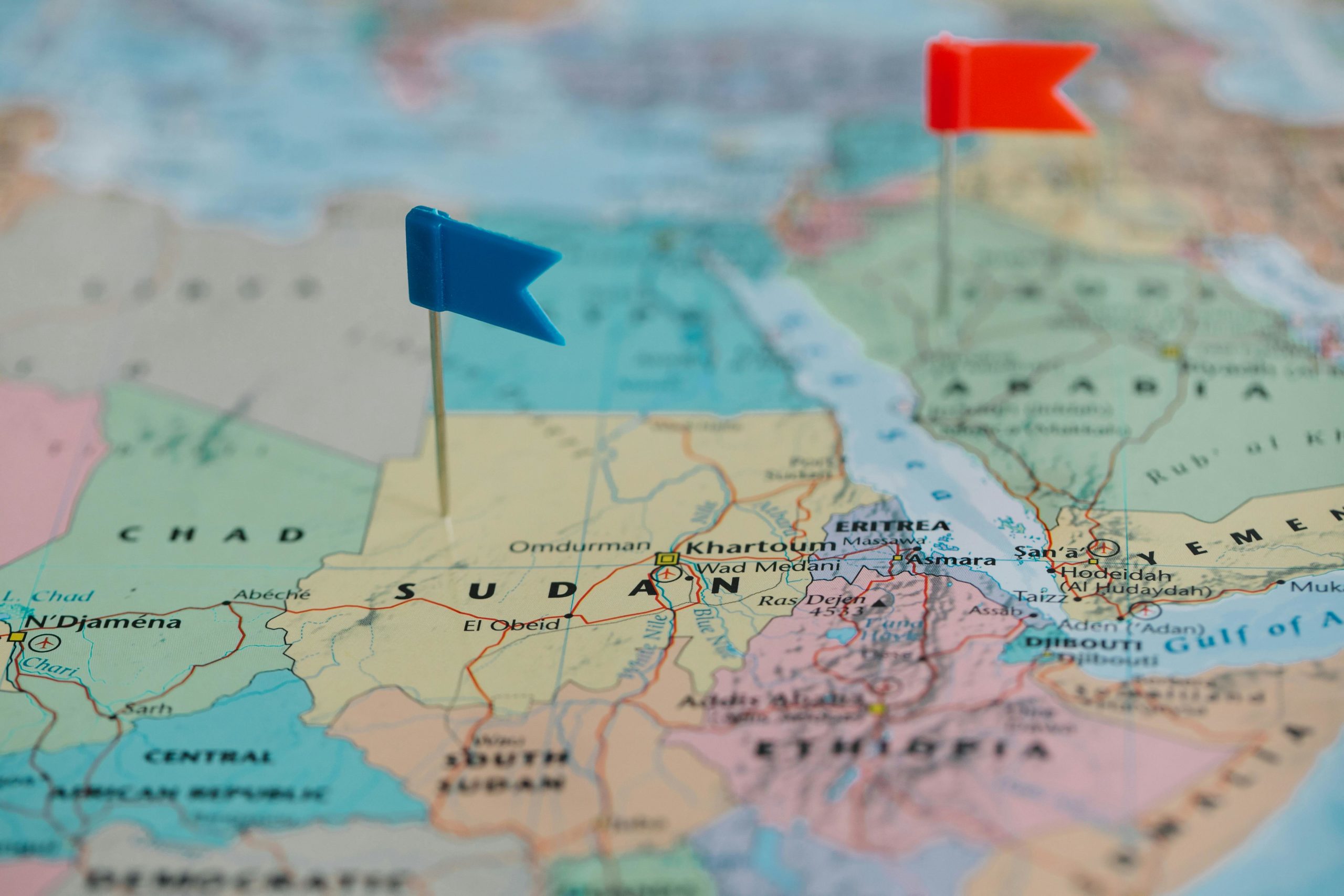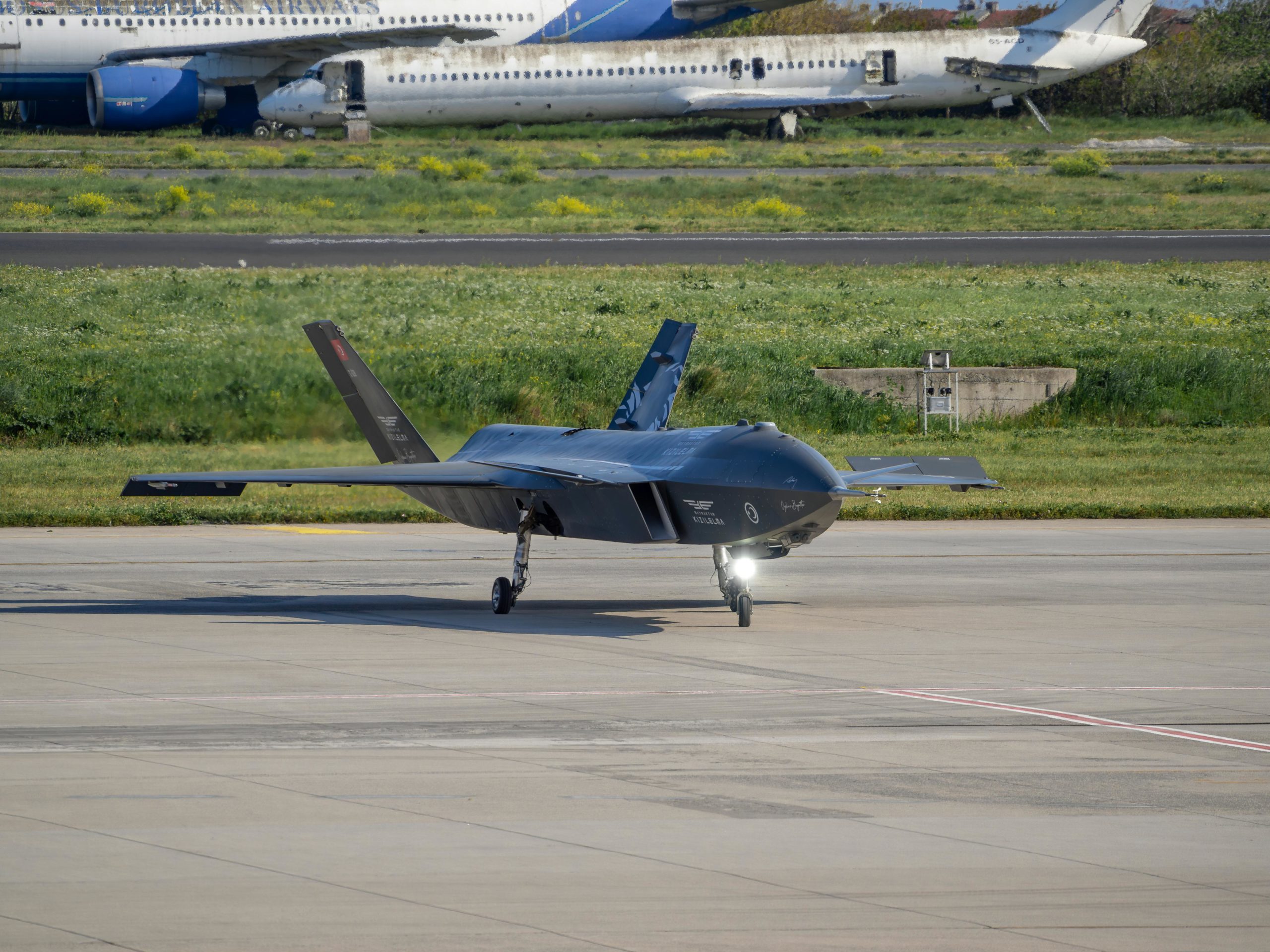
As Africa increasingly asserts itself as a major strategic space, the great powers are deploying ever more ambitious policies of economic, security and diplomatic influence across the continent. China remains one of Africa’s foremost economic partners, backed by several decades of investment, infrastructure financing and bilateral cooperation. The United States, for its part, is seeking to strengthen its presence, particularly in the sectors of critical minerals and strategic supply chains. Turkey, meanwhile, is multiplying security and industrial partnerships, especially in West Africa and the Sahel, where it has established itself as a leading military and technological actor, notably in the field of drones.
In this context of rapidly shifting power balances, one question inevitably arises: what role is there for Canada?
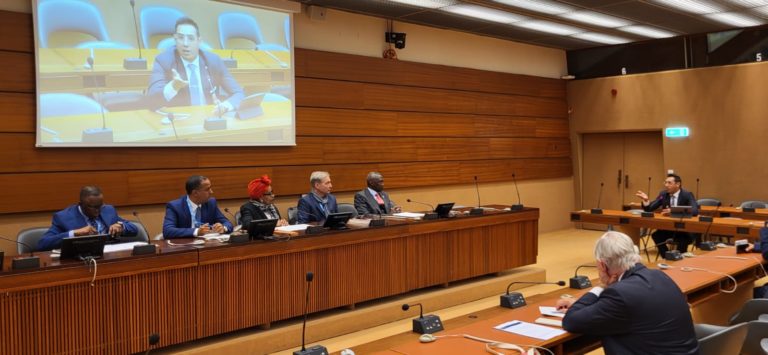
This central issue lay at the heart of the conference held on Thursday, February 5, 2026, at the Sheraton Hotel in Laval, organized by the Canadian Francophone Circle for Geostrategic Analysis. Entitled “Investing in Africa in a Fragmented World,” the event brought together international experts, representatives of the Canadian Armed Forces, geostrategic analysts and members of the diplomatic corps, before an attentive and engaged audience. The discussions were moderated by Sylvain Paquette, whose facilitation helped structure debates that were dense and, at times, uncompromising.
The contributions of Cheikh Bangoura, international expert, General Gaston Côté of the Canadian Armed Forces, and Alain Jourdan from the Geneva Geostrategic Observatory offered a nuanced overview of the dynamics currently shaping the African continent. The discussions highlighted the intensification of competition among global powers, the rise of regional actors and the considerable economic opportunities Africa represents, while also underscoring the political, security and institutional risks that accompany these transformations.
Relations disrupted by episodes of information warfare
Beyond investments and traditional influence strategies, the conference also shed light on a phenomenon that has become central to international relations: information warfare. Described by several speakers as a kind of endocrine disruptor of relations between states, it acts in a diffuse yet profound manner on perceptions, political decision-making and diplomatic balances.
On this issue, Didier Aubrais, founder of the Canadian Francophone Circle for Geostrategic Analysis, emphasized the corrosive nature of these new forms of conflict:
“Information warfare now operates as an invisible but powerful disruptor. It durably alters relations between states, blurs perceptions and complicates diplomatic work, relying on social networks that have become genuine battlefields.”
In the digital age, the activism—sometimes deliberately destabilizing—of state and non-state actors contributes to blurring the lines between information, influence and manipulation. Disinformation campaigns, the construction of hostile narratives and the instrumentalization of public opinion have now become full-fledged tools of contemporary conflict.
Canada is not immune to this reality. Several recent examples of tensions fueled by information dynamics were mentioned during the conference, illustrating how these digital confrontations can disrupt bilateral relations, undermine trust between partners and influence domestic public debates.
Beyond this assessment, Didier Aubrais also delivered a clear strategic message regarding Canada’s positioning in Africa:
“Canada can no longer afford to remain an observer. It must move from spectator to actor. Africa is not looking for colonizers, but for allies. And Canada has, in this respect, a credibility and a neutrality that constitute a real strategic advantage.”
From this perspective, the founder of the Circle highlighted the key role Morocco could play as Canada’s anchor point on the African continent. With its free trade agreements across Africa, its political stability and its clear commitment to economic cooperation, the kingdom is increasingly asserting itself as a strategic gateway to African markets.
Running through all the discussions was a lingering question: in the face of the rise of African strategies driven by global and regional actors, can Canada afford to remain on the sidelines? The conference opened up an essential space for reflection on the need for Canada to develop a more structured, clear-eyed and strategic approach toward Africa, fully integrating the economic, security and informational dimensions of an increasingly fragmented world.