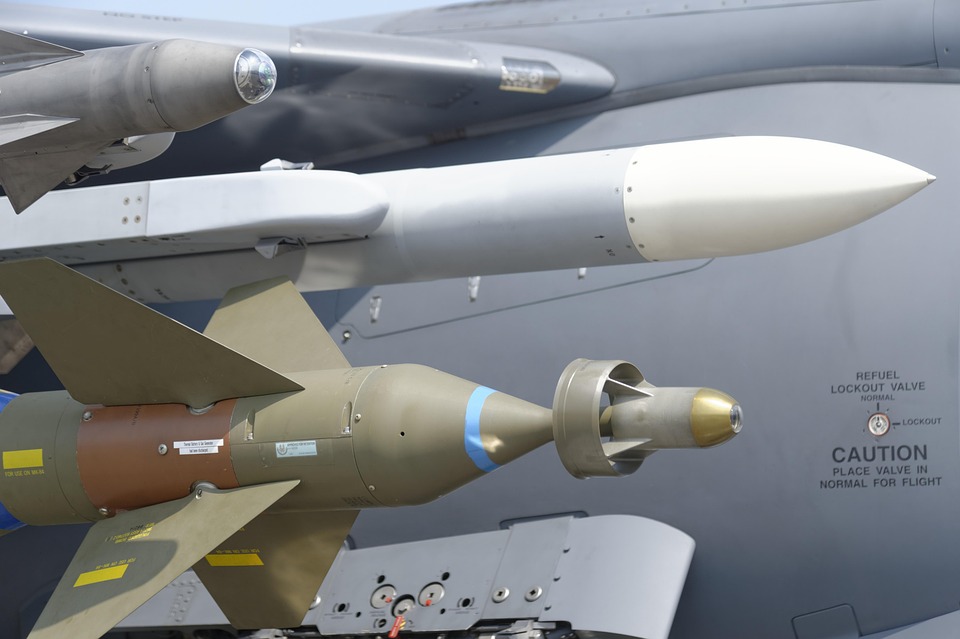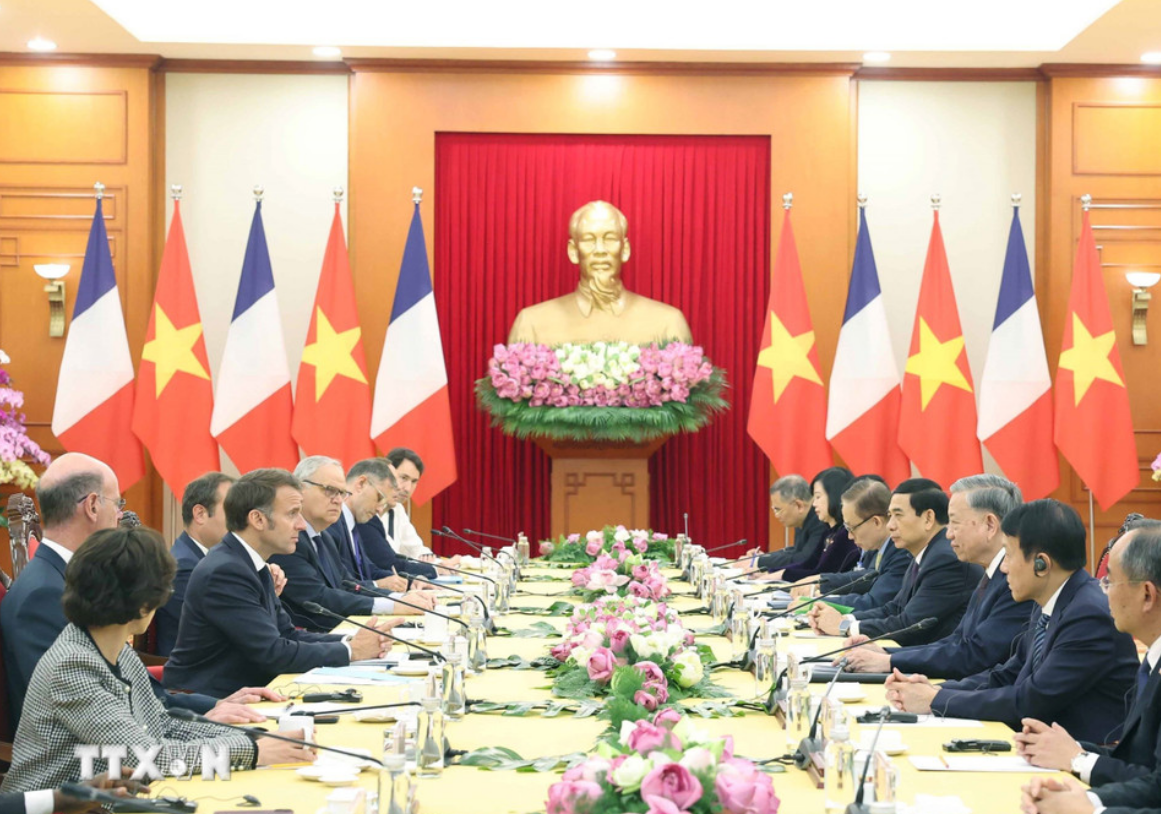
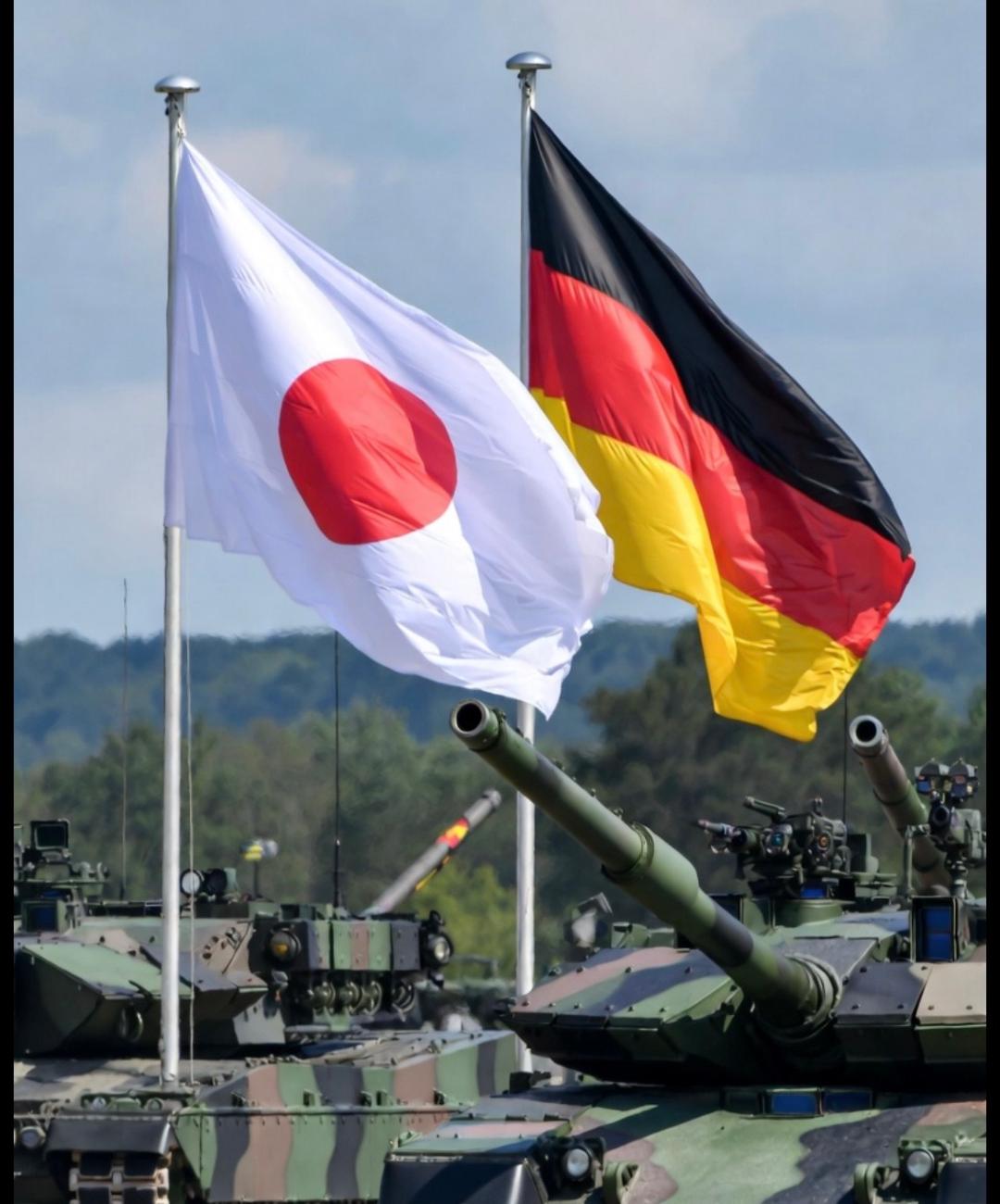
For decades, Germany and Japan embodied two civilian powers: economically central, yet strategically and militarily constrained for historical reasons. It was precisely their limited investment in defense that allowed them to focus almost exclusively on economic performance and modernity. Their relationship to armed force, deeply shaped by the legacy of the twentieth century, rested on an unspoken international consensus: never again. Long perceived as a guarantee of stability, this restraint was embedded in a world order structured by American deterrence, multilateralism, and a widespread belief in the end of power politics. That world has largely disappeared, and the profound transformation of the international system has accelerated dramatically since Donald Trump’s return to the White House.
Today, the return of high-intensity warfare in Europe, rising rivalries in the Asia-Pacific, and the gradual collapse of the old international order have completely reshuffled the deck. All states are rearming. All are turning inward. All are once again prioritizing the protection and security of their citizens. In this context, seeing Germany and Japan once more assume strategic responsibility is not absurd. It is a rational adaptation to a deteriorating environment.
This must be stated clearly from the outset: the German and Japanese threats are behind us. Germany and Japan are no longer revisionist powers, but central allies of the liberal democracies, embedded in solid institutional frameworks, bound together by shared interests, values, and mutual dependencies. Their rearmament is not a step backward. It is a necessary strategic adjustment, including for us in the West.
An Armed Germany, a More Credible Europe
German rearmament is often viewed with caution, sometimes even discomfort, particularly in France. Yet a strategically assertive Germany is good news for Europe. It puts an end to an increasingly untenable asymmetry in which Berlin made the key economic decisions while largely outsourcing collective security. In a deeply divided Europe, confronted with an aggressive Russia and an increasingly visible American disengagement, Germany can no longer remain a power under strategic tutelage. Its strengthened military effort will enhance European credibility, rebalance responsibilities, and could gradually marginalize isolated national temptations.
This is all the more crucial as other European actors regain weight. Italy is once again becoming a major economic, industrial, naval, and diplomatic power following Giorgia Meloni’s arrival in government in 2022. The United Kingdom, despite having left the European Union, remains an indispensable strategic actor, to the point that all Europeans have sought closer ties with London on defense issues since the outbreak of the war in Ukraine nearly four years ago. In this shifting landscape, a weakened Germany would be a source of imbalance. A Germany regaining strength, by contrast, is a genuine pillar of stability.
Japan, a Strategic Pivot Facing China
On the other side of the world, Japan is following a similar trajectory, though in an even harsher environment. Tokyo’s military strengthening, indirectly supported by the United States, responds to a simple reality: China’s strategic rise, particularly in the East and South China Seas, cannot be contained without strong regional relays. The good relations between Donald Trump and the new nationalist prime minister, Sanae Takaichi, are a major asset in countering China’s threat in the region.
Japan is not becoming a militarist power once again. It is becoming a strategic pivot, a central actor in regional deterrence, and an indispensable partner for Washington. This evolution reassures many Asian countries, concerned about Chinese expansion and skeptical about long-term American reliability. Tokyo could increasingly take on this Western relay role.
Here again, history must not cloud analysis. Today’s Japan is a mature democracy, technologically advanced and deeply embedded in the international order. Its rearmament is defensive, regulated, and politically acknowledged. It is not preparing for war; above all, it seeks to prevent it.
The Return of Responsible Powers
What these two trajectories, German and Japanese, ultimately reveal is the end of a world in which security could be outsourced indefinitely. Rearmament is no longer an ideological choice, but a function of political survival in an international system that has once again become anarchic. This marks the return of regional powers in control of their spheres of influence. American retrenchment is not unrelated to these parallel processes.
Rather than fearing the return of history, we must accept reality and remain pragmatic: lasting peace also rests on powers capable of defending it. An armed Germany and a strategically assertive Japan are not problems. They are stabilizing forces, provided they remain integrated, coordinated, and responsible. The real danger, therefore, lies less in their rearmament than in the risk of their weakening.