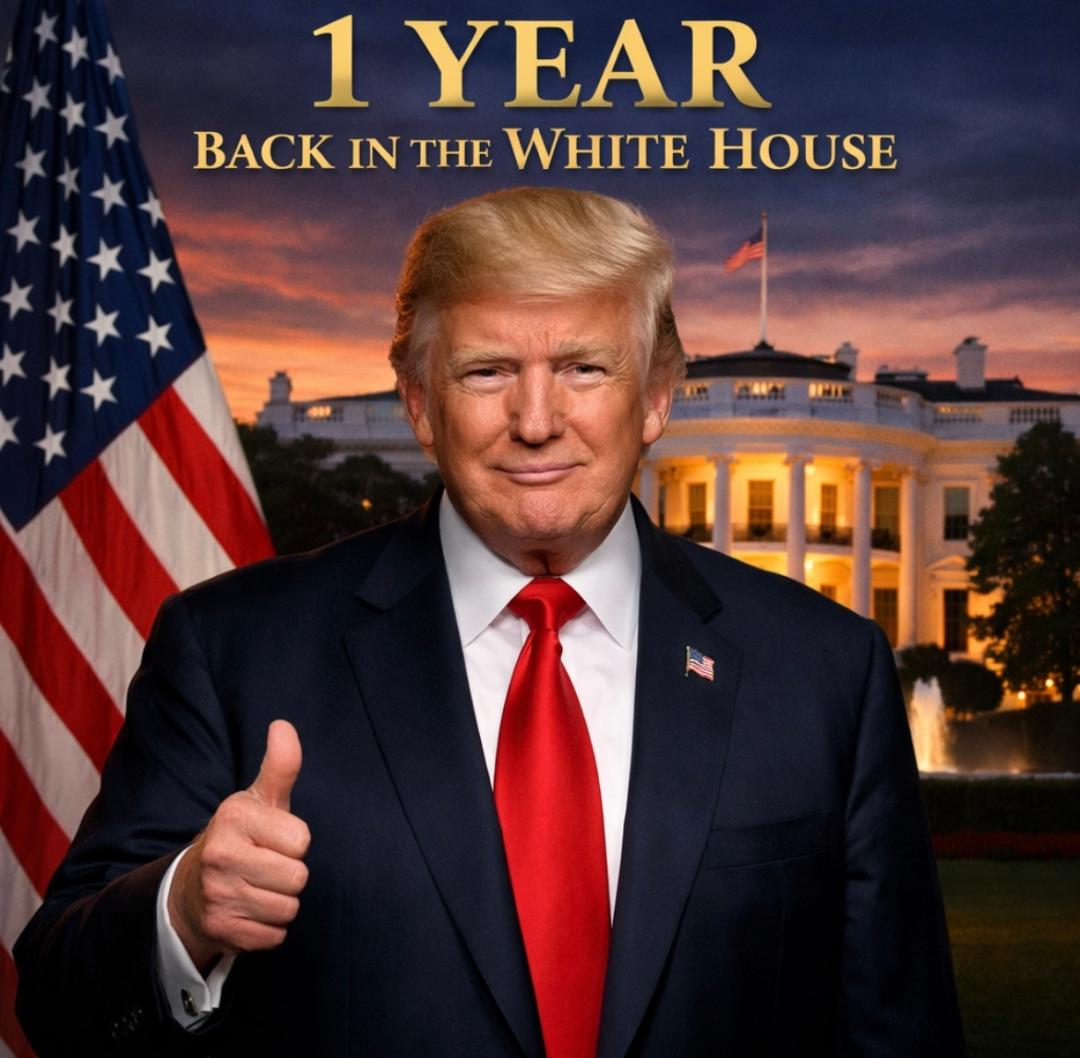
The launch last week in Switzerland of Donald Trump’s “Peace Council,” on the sidelines of the World Economic Forum in Davos, marks a symbolic turning point in the recent history of international diplomacy. What was meant to remain an economic summit has, over the years, become a true global geopolitical forum where heads of state, military leaders, defense industry executives, and security strategists now converge. Announcements about war and peace now overshadow those on growth or finance. Trump understood this: by privatizing the event for his own political purposes, he diverted its original mission to turn it into the stage for a parallel, direct form of diplomacy, freed from traditional multilateral frameworks. Facing a Global South seeking to bypass an old UN institution deemed too Western, too heavy, too archaic and bureaucratic, the American president also wanted to create his own geopolitical “toy.”
Switzerland, cradle of multilateralism and of its burial
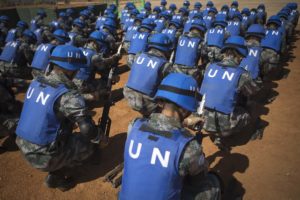
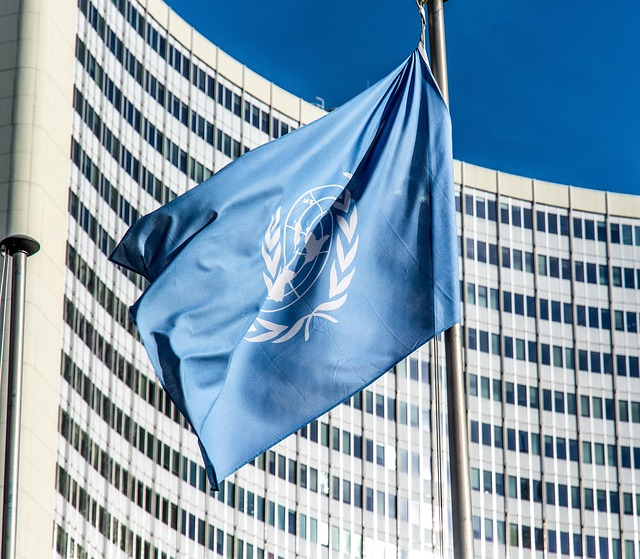
The choice of Switzerland is not accidental. It was in Geneva, just a few kilometers from Davos, that the United Nations was born, the historical embodiment of the postwar multilateral order. By launching his “Peace Council” from the same country, Trump sends a clear message: he is not trying to reform the UN, but to bypass it and, ultimately, to compete with it. The gesture reveals a broader reality: the UN system no longer structures conflict management on its own. Europe becomes the backdrop for a new diplomatic architecture in which the center of gravity shifts from law to raw power, fully embraced by Trump and by his global rivals, foremost among them China and Russia.
One structure among others in a fragmented world
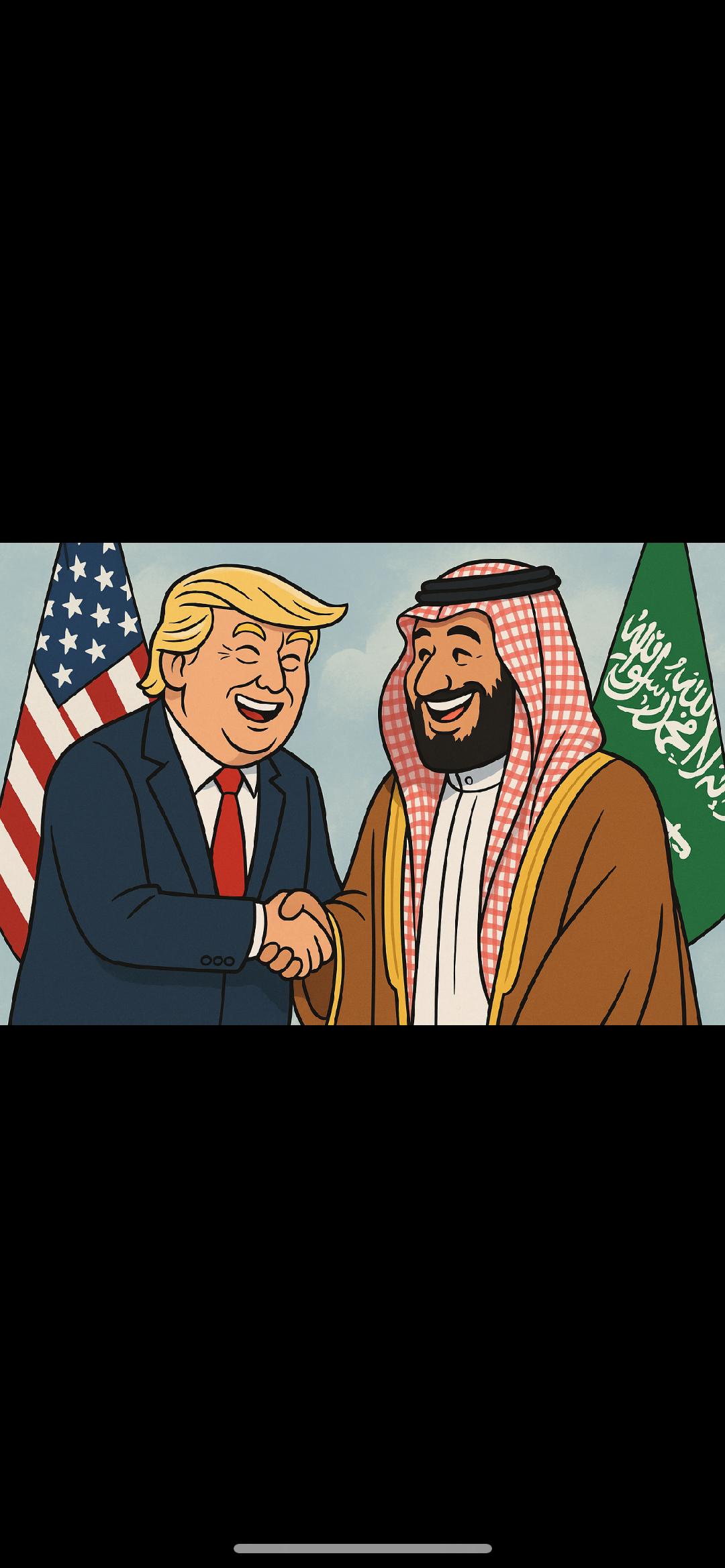
Originally, the Council was meant to focus on Gaza. But its scope quickly expanded to all major conflicts, from Ukraine to the Middle East and Asia. Its composition is striking: authoritarian regimes and illiberal democracies gathered around Trump in a configuration that breaks with traditional alliances. Among the participants were Javier Milei, Viktor Orbán, officials from Qatar, Armenia, Azerbaijan, Pakistan, Uzbekistan, Kosovo, and Mongolia, as well as the foreign ministers of Morocco, Saudi Arabia, and Kuwait. Japan, Germany, and Italy are still hesitating, while no major European country, except Hungary, has joined. Out of nearly two hundred states, the core remains limited, but politically meaningful.
The project is not yet institutionalized, its statutes are vague and its mechanisms uncertain. Yet its ambition is clear: to deliver results where the UN fails. For Trump, the UN is slow, paralyzed, trapped by its internal balances. His Council is meant to be a space for direct negotiation. Where the UN seeks consensus, he imposes a balance of power. Where resolutions remain symbolic, he promises rapid deals. Peace becomes a transaction.
A sidelined UN, the Global South as trailblazer
This initiative fits into a broader trend already under way. For more than a decade, the Global South has been building its own security and coordination structures, starting with the Shanghai Cooperation Organization, which brings together China, Russia, India, Iran, and several Central Asian states. The BRICS, an expanded ASEAN, and African or Latin American regional frameworks reflect the same movement: the world is no longer organized around a single center. The UN suffers from a legitimacy deficit, a frozen Security Council, and a chronic inability to enforce its decisions. Major powers now bypass its frameworks without even trying to justify it. What once was the exception has become the rule.
Western paradoxes and strategic adaptation
Trump’s Council embodies deep contradictions. It was meant to deal with Gaza, yet it becomes global. It is launched in Europe, even as Trump denounces European powerlessness. It claims to be international, while rejecting multilateralism. The difference is simple: in this format, the United States is at the center. It is not a space of cooperation, but a platform for steering.
The most sensitive question remains: can one engage with authoritarian regimes without legitimizing their abuses? The tool may prevent certain escalations, but it can also normalize the bypassing of international law and weaken existing norms.
The Council’s future will depend on its ability to influence concrete files: Gaza, Ukraine, relations with Russia. But one question remains: will it survive Trump? Like the UN or NATO in their time, it is a product of an era. This launch in Davos is not an isolated event. It signals a shift. Peace is no longer a collective ideal; it has become a geopolitical commodity. And in this centerless world, every power is now seeking to write its own rules.